My Septic Tank Was Pumped, So Why Are My Drains Still Slow?
If your drains are still slow after your septic tank was pumped, the tank may not have been the only cause of the problem. Septic pumping removes wastewater and accumulated solids from the tank, but it does not automatically clear a clogged sewer line, remove tree roots, repair damaged piping, or correct a problem farther downstream in the septic system.
What happened before and after the pumping can provide useful clues. Did the drains never improve? Did they work normally for a few days and then slow down again? Is one sink affected, or are several fixtures having problems?
Those details can help pinpoint what needs to be checked next, whether you’re dealing with a slow drain at a rural property near Springfield, Lebanon, or Mountain Grove. At Moore Septic Services, we use those symptoms and the timing of the problem to help identify where to start looking when slow drains continue after septic pumping.
What Septic Pumping Fixes and What It Doesn't
Septic tank pumping removes accumulated waste from the tank. It is an important part of maintaining a septic system, but pumping is not the same thing as clearing or repairing the entire wastewater system.
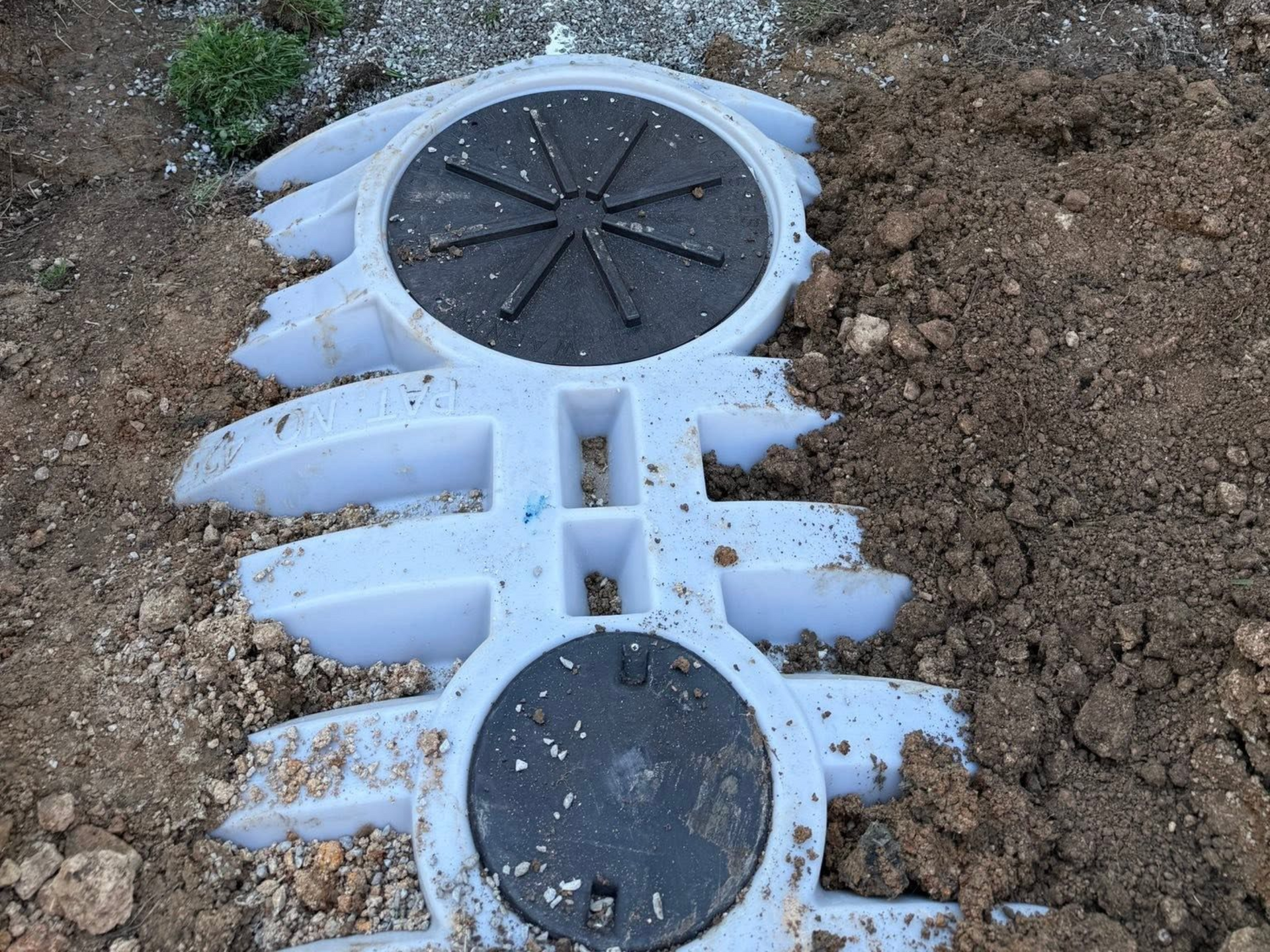
Think about the path wastewater takes. It moves from the plumbing in your home through the main wastewater line and into the septic tank. From there, liquid must be able to leave the tank and move toward the drainfield.
A restriction anywhere along that path can cause drainage problems.
That is why having your septic tank pumped may not solve slow drains when the actual problem is somewhere else.
It is also normal for liquid to begin entering the tank again after pumping. Using toilets, sinks, showers, and appliances sends wastewater back into the system. Seeing liquid in a recently pumped tank does not, by itself, mean it has already become "full" again.
What Can Cause Slow Drains After Septic Pumping?
Several different problems can produce similar symptoms. Slow drains are useful information, but they are not enough by themselves to diagnose what is wrong.
A localized drain clog
If one sink, shower, or tub is slow while the rest of the house drains normally, the problem may be closer to that fixture.
That distinction matters. One slow bathroom sink points toward a different troubleshooting process than toilets, showers, and sinks throughout the house all draining slowly.
A restriction between the house and septic tank
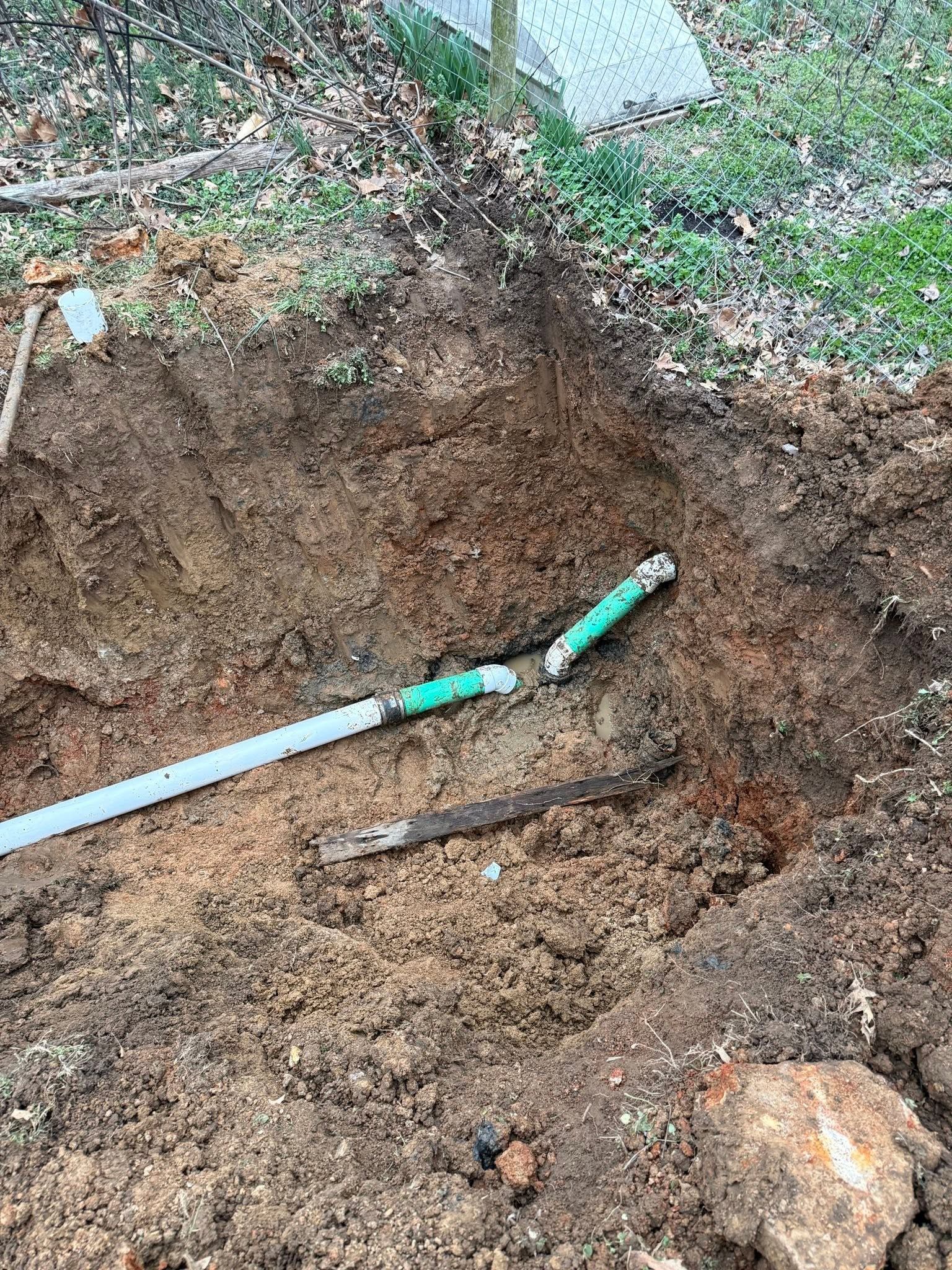
Wastewater still has to reach the septic tank. Buildup, an obstruction, tree roots, or damage to the wastewater line can interfere with that flow.
Pumping the tank does not automatically clear a separate line blockage. Depending on the problem, sewer and drain cleaning or further investigation of the line may be appropriate.
A problem at the tank outlet or another component
Depending on how the system is designed, components such as baffles or an effluent filter can affect wastewater movement through the tank and toward the drainfield.
This is one reason it is better to investigate persistent symptoms than assume another pump-out will solve them.
A drainfield problem
The tank is only one part of a septic system. After wastewater is separated inside the tank, liquid still needs to move into the drainfield for treatment in the soil.
If the drainfield is not accepting wastewater normally, pumping may not correct the underlying problem.
Wet weather can complicate this further. If your septic problems seem connected to prolonged or heavy rain, our guide to septic problems after heavy rain provides more information about wet-ground conditions.
One Slow Drain or Slow Drains Throughout the House?
The pattern of the problem can help narrow down where to begin looking.
| What you're noticing | What it may suggest |
|---|---|
| One sink, shower, or tub is slow | A more localized drain restriction may be involved |
| Several fixtures are draining slowly | The problem may be farther along the wastewater path |
| Slow drains with gurgling | Wastewater flow may warrant further investigation |
| Sewage is backing up into fixtures | Reduce water use and address the problem promptly |
| Wet ground or sewage odors outside | The issue may extend beyond an indoor drain |
These are clues, not diagnoses. Two septic systems can produce similar symptoms for different reasons.
Why Did Pumping Help for a While?
If your drains improved after septic pumping but became slow again, pumping may have temporarily created additional capacity without resolving the original cause.
For example, if wastewater cannot move normally through another part of the system, removing the tank contents may relieve symptoms temporarily. As household wastewater begins entering the system again, those symptoms can return.
That timeline is useful information. If your septic tank was pumped and the house started backing up again days or weeks later, don't assume the only answer is another pumping.
Finding out why the symptoms returned is more useful than repeatedly treating the same symptom.
How Do You Find Out What's Causing the Problem?
Start with the pattern of symptoms. Knowing when the problem started, what changed after pumping, and which fixtures are affected can help a septic professional determine where to investigate.
Good communication is important when troubleshooting wastewater problems, whether we’re helping a homeowner in Springfield, Lebanon, or elsewhere in Southern Missouri. Before you call, make note of:
- When the septic tank was pumped
- Whether the drains were already slow beforehand
- Whether pumping improved the problem at all
- How long any improvement lasted
- Whether one fixture or several fixtures are affected
- Whether toilets or drains are gurgling
- Whether sewage has actually backed up
- Whether problems become worse during laundry, showers, or other periods of heavier water use
- Whether there has been significant rain recently
- Whether you have noticed sewage odors, wet ground, or unusually soggy areas outside
From there, the next step depends on what the symptoms suggest. It may involve checking a drain or wastewater line, evaluating septic components, or looking farther downstream in the system.
When the condition of an underground line is uncertain, a septic and sewer camera inspection can help identify certain problems such as clogs, buildup, root intrusion, or damaged piping. A camera is not automatically necessary for every slow drain, which is why starting with the symptoms matters.
What Should You Do Until the Problem Is Checked?
If several drains are slow or sewage is beginning to back up, reduce unnecessary water use until the cause can be evaluated. Sending more wastewater into a system that is already struggling can make the situation worse.
That may mean postponing laundry, limiting long showers, and avoiding repeatedly flushing toilets or running water just to test whether the problem has disappeared.
Don't rely on random drain chemicals or septic additives as a substitute for determining what is causing the restriction.
If sewage is backing up inside the home or surfacing outside, keep people and pets away from the affected area. Moore Septic Services provides 24/7 emergency septic service for situations that require prompt attention.
Frequently Asked Questions
Is it normal for a septic tank to have water in it after it was just pumped?
Yes. Wastewater begins entering the septic tank again as soon as you use your household plumbing. Liquid returning to the tank does not, by itself, mean the tank needs to be pumped again.
Why did my drains improve after pumping but become slow again?
Pumping may have temporarily relieved the symptoms without fixing another restriction or system problem. If wastewater still cannot move normally through the line, tank components, or drainfield, symptoms can return as the system is used.
Can a clogged septic line cause slow drains even after pumping?
Yes. Pumping removes material from the septic tank; it does not automatically clear an obstruction in the wastewater line. A blockage, roots, buildup, or pipe damage can continue affecting drainage after the tank has been pumped.
Should I have my septic tank pumped again if the drains are still slow?
Not automatically. If the tank was recently pumped and your drains remain slow, it may be more useful to determine why wastewater is not moving normally before assuming another pump-out is needed.
We work with rural homeowners and businesses in Springfield, Rogersville, West Plains, and throughout Southern Missouri on septic, wastewater, and sewer and drain problems. If your septic tank has already been pumped but the symptoms have not gone away, contact Moore Septic Services and let us know what you have been experiencing. The more we know about what happened before and after pumping, the better starting point we have for determining what needs attention.