Do You Need a Permit to Install or Repair a Septic System in Missouri?
Installing a new septic system or making a major repair in Missouri will generally require determining whether a construction permit is required before work begins. Most onsite wastewater treatment system installations and repairs require a permit, although some single-family residential properties may qualify for an exemption. Local requirements can also be more restrictive than Missouri's minimum standards.
For rural property owners, the confusing part is often not knowing where to start. Is the permit handled by the state, your county health department, or another local authority? Does the three-acre exemption apply? What if you're replacing an existing septic tank instead of installing an entirely new system?
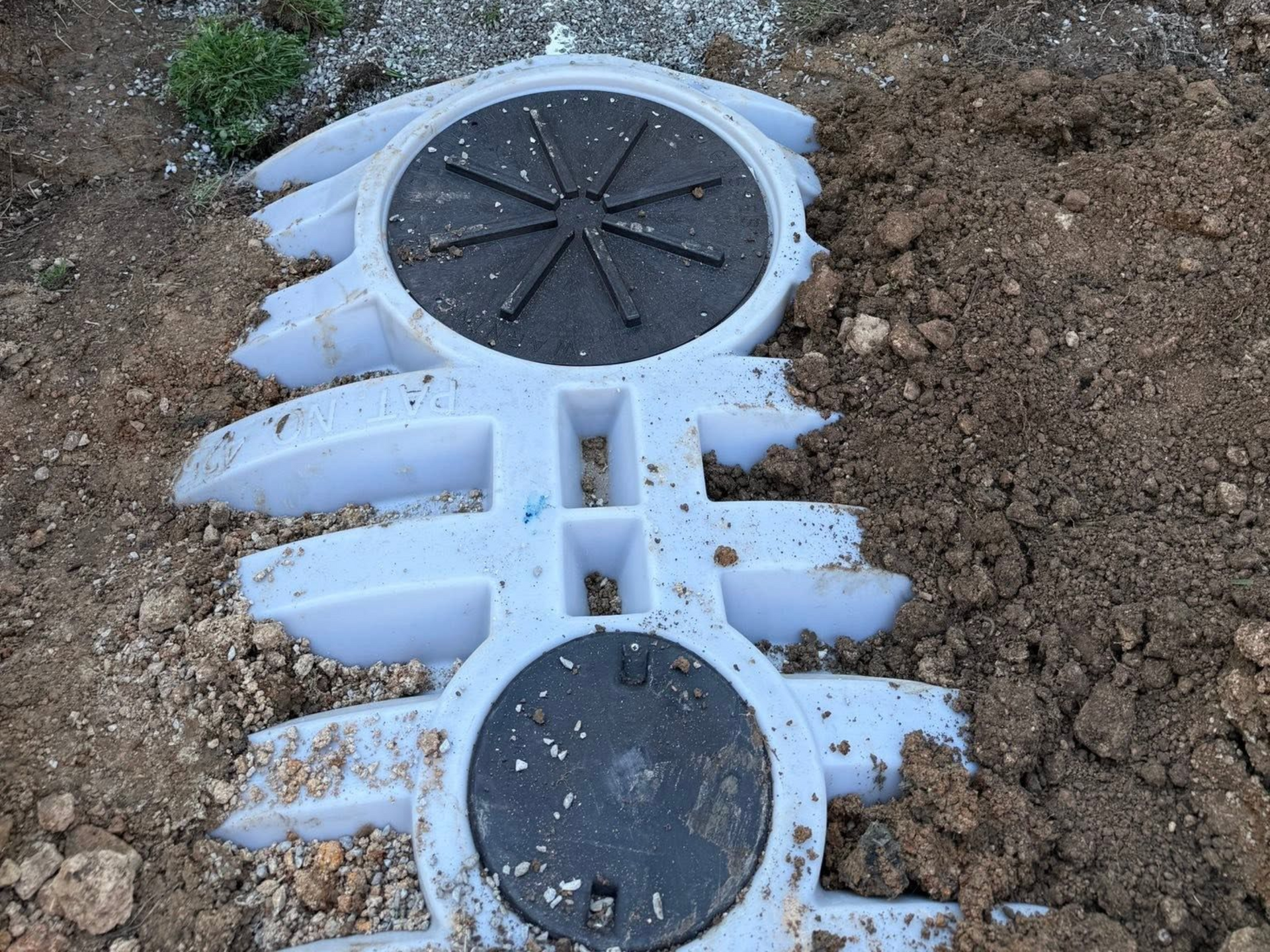
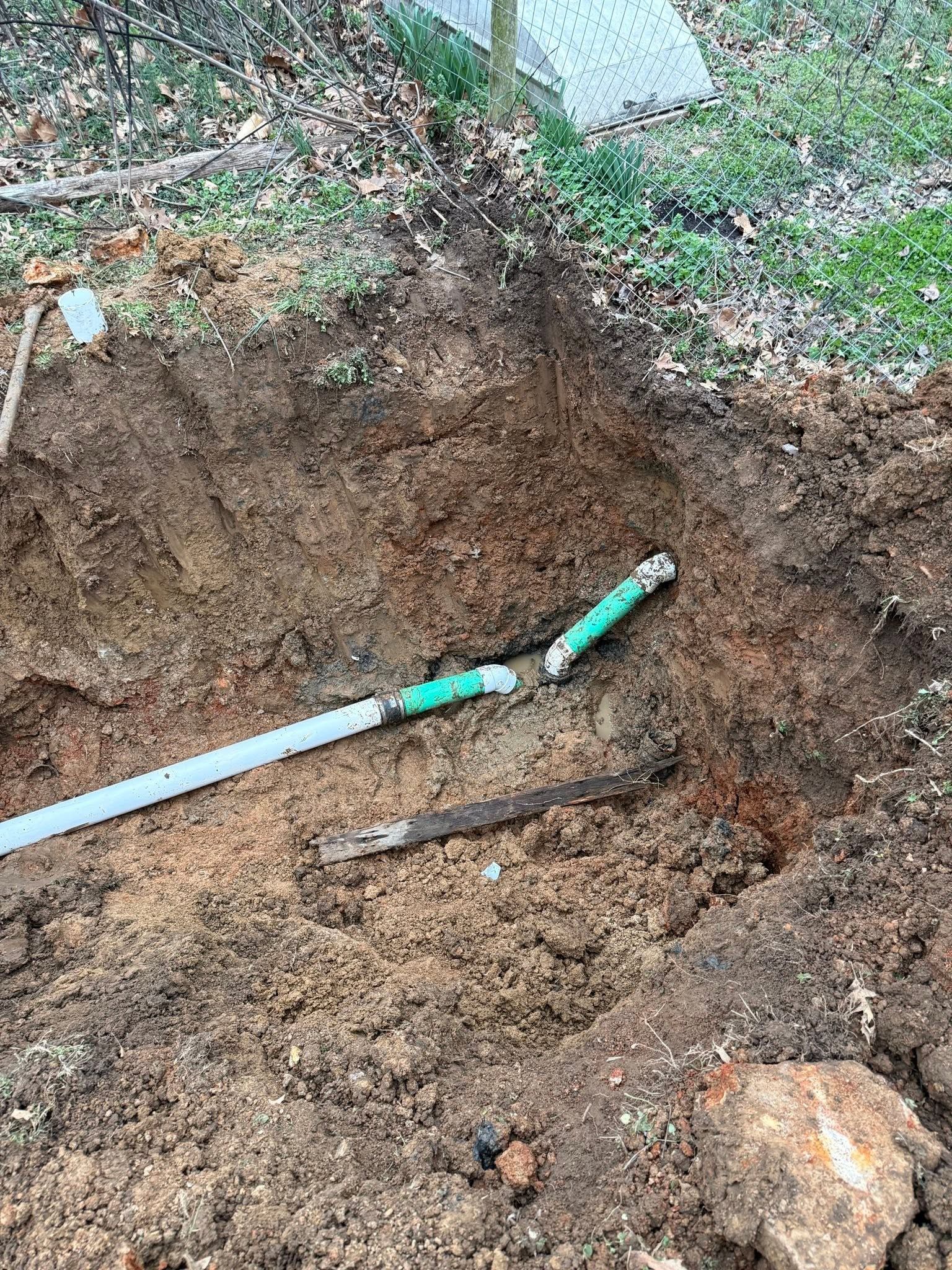
At Moore Septic Services, we work with rural homeowners, businesses, and applicable public projects throughout Southern Missouri, including communities around Springfield, Lebanon, and Rolla, on septic installation, repair, replacement, and related excavation projects. Understanding the permitting requirements before work begins can help keep a project on track. Here's how to sort through those questions before the digging starts.
Who Issues Septic Permits in Missouri?
The Missouri Department of Health and Senior Services (DHSS) establishes minimum state standards for onsite wastewater treatment systems. DHSS oversees the state's onsite wastewater treatment standards, but permitting authority depends on the property. DHSS identifies three types of permitting authority: the DHSS Onsite Program, a local authority operating under contract, or a local authority operating under ordinance.
The requirements can differ based on the type of property and project. For example, businesses, public properties, and other non-residential projects may be subject to different requirements than a single-family residential property. Moore Septic Services also provides municipal wastewater services for applicable public-sector projects, where the scope of work and permitting requirements may differ from residential septic installations.
This distinction is particularly important for rural homeowners. Moore Septic Services works with homeowners and businesses throughout Southern Missouri, including Wright, Texas, Laclede, and Pulaski counties, with applicable services also available for contractors and municipal projects.
Before assuming a state rule or exemption applies to your property, identify the appropriate administrative authority. DHSS provides county-specific information for determining the appropriate permitting authority, but property owners should confirm the requirements that apply to their specific project before work begins.
Does Missouri's Three-Acre Exemption Mean You Don't Need a Permit?
Not necessarily. Some single-family residential properties may qualify for an exemption from state permitting, but property size alone should not be treated as an automatic answer. The exemption discussion is specific to certain residential properties; non-residential onsite systems have different permitting requirements, regardless of property size.
Missouri's requirements contain exemptions for certain residential properties, while local authorities can impose requirements that are more restrictive than the state's minimum standards. DHSS therefore advises property owners to check with the authority that has jurisdiction over the property.
This is an important distinction if you've heard someone say, "You're on more than three acres, so you don't need a septic permit." Your acreage may be relevant, but it doesn't tell you by itself which requirements apply.
The safer approach is to confirm the exemption with the appropriate permitting authority before construction or major repair begins.
What Types of Septic Work May Require a Permit?
Missouri's standards apply to new systems and major changes to existing onsite wastewater treatment systems. DHSS specifically gives replacing a sewage tank and replacing or expanding an absorption field as examples of major changes.
That means there is an important difference between routine septic maintenance and work that substantially changes or repairs the system.
If you're planning a septic tank replacement or major septic repair, drainfield work, or a new septic system installation, don't assume that an existing system means no new permitting is necessary. Determine what your local administrative authority requires for the specific project.
Missouri also requires an individual performing a major modification or repair or installing a new OWTS to be registered with DHSS.
What Happens Before Septic Installation or Major Repair?
Permitting is about more than filling out a form. The property and proposed system may need to be evaluated so the system can be designed and installed appropriately for the site.
Soil and site conditions matter because an onsite wastewater system must both treat wastewater and disperse it on the property. DHSS identifies soil and site limitations, available space, system requirements, and other site characteristics among the factors that affect system selection.
Depending on the project and permitting authority, the application process may involve a construction permit application, soil evaluation report, engineering design when applicable, and other documents related to the proposed system.
That is why it's useful to address permitting and site requirements before septic installation or excavation is underway. Site preparation and excavation are part of the physical work that can follow once the appropriate requirements for the property have been addressed. Moore Septic also provides excavation and land clearing services for applicable projects throughout Southern Missouri.
Did Missouri Eliminate Septic Permit Fees in 2026?
No. Missouri did not eliminate the septic permitting requirements.
Effective August 28, 2026, DHSS announced that application fees associated with onsite sewage disposal system construction, modifications, and repairs would be temporarily suspended because of changes to RSMo 701.046 while new fee standards are pending.
That distinction matters. A temporary suspension of certain application fees does not mean homeowners can automatically install or repair a septic system without determining whether a permit is required.
Because this is a recent change, check current DHSS and local-authority guidance when you're ready to begin a project rather than relying on older information about permit costs.
What Should You Ask Before Scheduling the Work?
Before scheduling a new septic installation, tank replacement, or major repair, make sure the permitting path for your particular property is clear.
A few practical questions can prevent confusion later:
- Which agency has permitting authority for this property?
- Does the proposed work require a permit?
- If you believe the property qualifies for an exemption, has that been confirmed?
- Does the county or local authority have requirements beyond Missouri's minimum standards?
- Is a soil evaluation or other site information required?
- Does the proposed system require additional design documentation?
- Who will handle each step of the permitting and installation process?
- What needs to be approved before excavation or construction begins?
For Moore Septic customers in Southern Missouri, this kind of preparation fits the company's emphasis on communication and professional, reliable wastewater service.
It also helps everyone start with the same understanding of the project instead of discovering a permitting or site requirement after work has already been planned.
If you're researching septic requirements because you're purchasing rural property, it also helps to understand the condition and history of the existing wastewater system before planning repairs or replacement. Moore's guide to getting a septic inspection before buying a home in Missouri explains what buyers should consider before closing.
Frequently Asked Questions
Do I need a permit to replace a septic tank in Missouri?
A septic tank replacement can be considered a major change to an onsite wastewater treatment system, and permitting requirements may apply. DHSS specifically identifies replacing a sewage tank as an example of a major change. Confirm the requirements with the administrative authority for your property before work begins.
Does Missouri's three-acre exemption mean I don't need a septic permit?
Not automatically. Certain residential properties may qualify for an exemption, but local ordinances can be more restrictive than state requirements. Confirm your property's status with the appropriate permitting authority rather than relying only on acreage.
Who issues septic permits in Missouri?
It depends on the property. Missouri identifies three types of permitting authority: the DHSS Onsite Program, a local authority operating under contract, or a local authority operating under ordinance. Check the requirements for the county and property where the work will take place.
Do I need a permit to repair a drainfield in Missouri?
Replacing or expanding an absorption field is specifically identified by DHSS as a major change to an onsite wastewater treatment system. Because the requirements depend on the work and jurisdiction, check with the local administrative authority before beginning a major drainfield repair.
Did Missouri eliminate septic permit fees in 2026?
No. Effective August 28, 2026, certain state application fees associated with onsite sewage system construction, modifications, and repairs were temporarily suspended while new fee standards are pending. The change did not eliminate the underlying permitting process.
If you're planning a septic installation, replacement, or major repair, confirming the permitting requirements early can make the rest of the project easier to plan. We work with homeowners and businesses throughout Southern Missouri on septic installation, replacement, repair, and related wastewater work, with applicable services also available for contractors and municipal projects. Contact Moore Septic Services to discuss what your property needs and the next steps for your project.