How Often Should You Pump Your Septic Tank? A Practical Guide for Southern Missouri Homeowners
If you have a septic system, one of the most important maintenance questions is also one of the easiest to put off: how often should you pump your septic tank?
At Moore Septic Services, this is something we walk homeowners through all the time. Across southern Missouri, most septic problems we see start the same way. The tank has gone too long without being pumped, and by the time symptoms show up, the issue is already more serious than it needed to be.
Staying on the right schedule helps prevent backups, protects your drainfield, and keeps you from dealing with expensive repairs later. This guide breaks down exactly what you need to know so you can stay ahead of it.
On This Page
- How often you should pump your septic tank
- What affects septic pumping frequency
- Signs your septic tank needs pumping
- What happens if you wait too long
- Inspection vs. pumping
- Why spring is a smart time to schedule service
- Frequently asked questions
How Often Should You Pump Your Septic Tank?
For most homes, the general rule is every 3 to 5 years.
This follows guidance from the U.S. Environmental Protection Agency, which recommends routine pumping to prevent solids from reaching the drainfield and causing system failure.
- 1 to 2 people in the home: about every 4 to 5 years
- 3 to 4 people in the home: about every 3 to 5 years
- 5 or more people or heavy water use: about every 2 to 3 years
If you are unsure where your system stands, scheduling a septic pumping service is the best way to get a clear answer before small issues turn into costly problems.
What Affects Septic Pumping Frequency?
Household size and water use
More people means more wastewater and faster buildup in your septic tank.
Tank size
Smaller tanks fill faster and require more frequent pumping.
What goes down the drain
Grease, food waste, wipes, and chemicals increase how quickly solids build up.
Soil and site conditions
Soil and drainage conditions in southern Missouri can affect how well your septic system processes wastewater, making consistent maintenance more important.
Signs Your Septic Tank Needs Pumping
- Slow drains
- Gurgling pipes
- Sewage odors
- Soggy yard areas
- Toilet backups
If multiple issues appear at once, it is often a sign your system needs attention.
What Happens If You Wait Too Long?
Solids can move into the drainfield, causing failure and costly repairs.
- Drainfield damage
- Backups in the home
- Odors around the property
- Emergency repairs
Inspection vs. Pumping
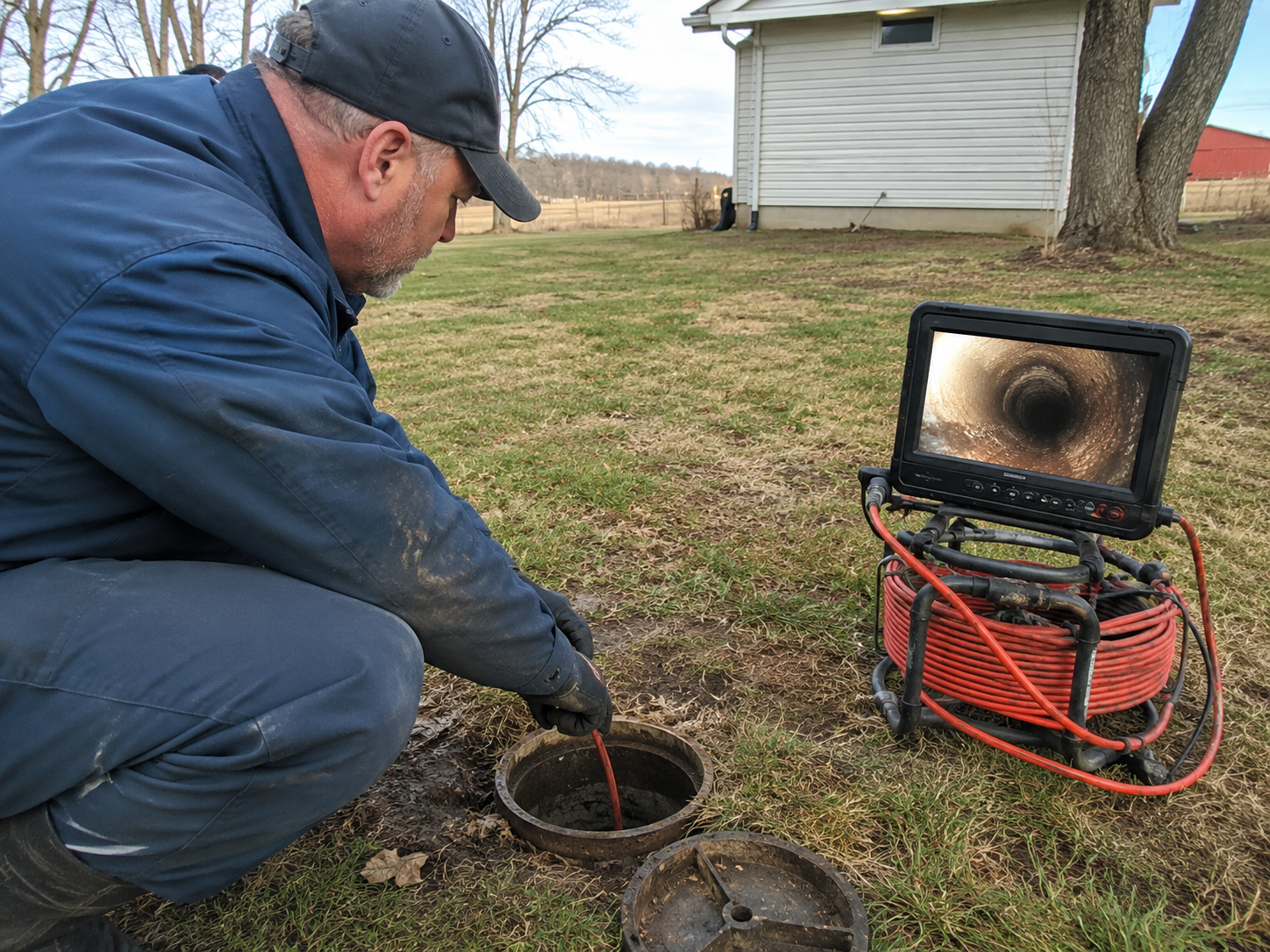
Not every system needs pumping every year, but regular inspections help determine the right schedule based on usage.
Why March Is a Smart Time to Schedule Septic Service
Early spring is ideal for septic maintenance. Increased rainfall and usage make it important to service your system before problems develop.
Frequently Asked Questions
How often should a septic tank be pumped for a family of four?
Every 3 to 5 years in most cases.
Can I wait longer than 5 years?
It is possible, but it increases risk and is not recommended.
How do I know if I need service?
If it has been several years or you notice warning signs, it is time to schedule service.
Schedule Septic Pumping Before Problems Start
Staying on a consistent schedule helps prevent costly repairs and keeps your septic system running properly.
Moore Septic Services provides reliable septic pumping and inspections throughout southern Missouri.