Septic Problems After Heavy Rain: What Southwest Missouri Homeowners Should Do First
If your septic system starts acting up after a heavy rain in Southwest Missouri, that is not a coincidence.
This is one of the most common septic issues we see in the spring. Once the ground becomes saturated, a system that seemed fine can quickly start showing signs of trouble. Slow drains, soggy areas in the yard, odors, or even sewage backing up into the home are all signs that the system is not able to move wastewater the way it should.
At Moore Septic Services, this is something we deal with regularly. In many cases, the issue does not come out of nowhere. The conditions have been building below the surface, and heavy rain is what finally pushes the system past its limit.
Signs Your Septic System May Be Failing After Heavy Rain
Most septic problems after rain start with a few clear warning signs.
- Slow draining sinks, tubs, or toilets
- Gurgling sounds in your plumbing
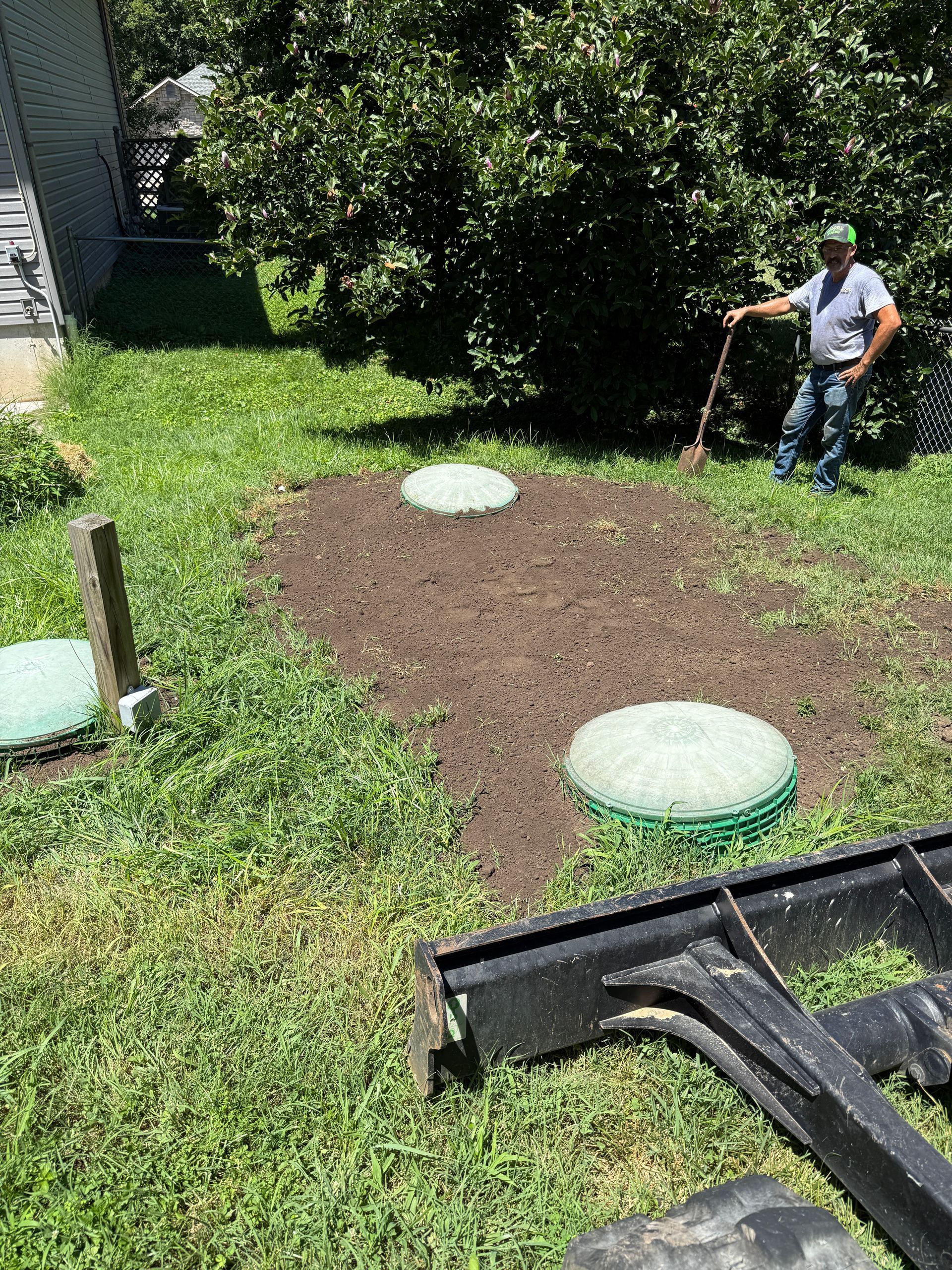
- Standing water or soggy ground near the drain field
- Strong sewage odors inside or outside
- Wastewater backing up into the home
If you are seeing one or more of these symptoms, your system is under stress. Heavy rain can overwhelm the drain field and prevent wastewater from dispersing properly.
Why Heavy Rain Causes Septic Problems
Your septic system depends on the soil around the drain field to absorb and filter wastewater. When that soil becomes saturated, the system loses the space it needs to function correctly.
Instead of moving through the soil, wastewater begins to back up in the system. In some cases, the issue improves as the ground dries out. In others, the rain exposes an underlying problem that needs attention.
This is especially common in the spring when the ground is already wet and repeated rainfall does not allow the system time to recover.
What To Do Immediately If You Notice a Problem
Reduce water usage immediately. Avoid laundry, long showers, and heavy water use.
Stay off the drain field and avoid placing weight on it.
If wastewater is backing up into your home, it is time to call for service before the problem gets worse.
What Happens After the Rain Stops
The ground may stay saturated for several days. Your system may continue to struggle even after the rain ends.
If the problem does not improve as things dry out, it usually means there is a deeper issue that needs to be addressed.
How To Help Prevent Septic Problems During Wet Weather
Keep up with routine maintenance and avoid overloading your system.
Make sure water is directed away from your drain field and avoid driving over it.
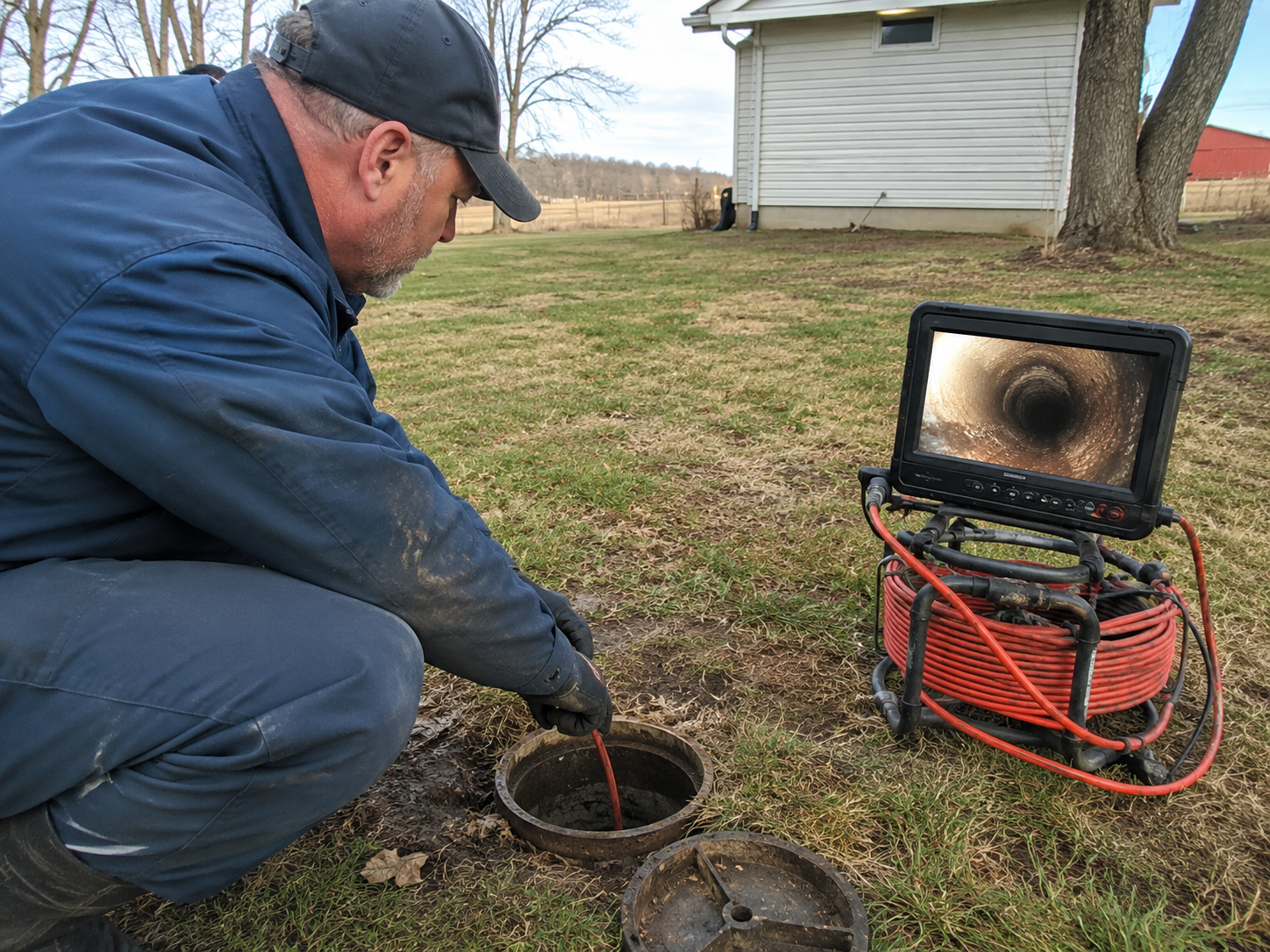
If problems happen repeatedly after storms, it is time to have the system inspected.
Frequently Asked Questions
Can heavy rain cause a septic backup?
Yes. Saturated soil prevents proper drainage, which can cause wastewater to back up.
How long does it take to recover?
Anywhere from a few days to longer depending on soil conditions.
Should I pump my tank after rain?
Not always. The issue is often in the drain field, not the tank.