Gurgling Toilets and Slow Drains: Septic or Sewer Problem?
A gurgling toilet combined with slow drains usually means air or wastewater is having trouble moving through part of the drainage system. One slow sink may have a clog close to that fixture. When several drains slow down or a toilet bubbles as the shower, washer, or sink empties, the restriction may be in a shared line, the septic tank, the outlet side of the system, or the drain field.
The sound alone cannot tell you exactly what is wrong. One of the first things we consider is whether the problem affects one fixture or several. We also look at when it started, whether it followed heavy rain or increased water use, when the tank was last pumped, and whether there are odors or wet areas outside.
You do not need to diagnose the problem before requesting service. Recognizing the pattern can help you decide whether to monitor one slow fixture, schedule an evaluation, or stop using water and request emergency help.
What Gurgling Toilets and Slow Drains Usually Mean
A toilet gurgles when air moves through the water held in the bowl. This can happen when wastewater encounters a restriction and displaced air escapes through another fixture.
For example, a toilet may bubble when a washing machine drains because the washer and toilet eventually connect to the same larger drain line. If that line is partially blocked, the sudden volume of water can push air back through the toilet bowl.
Slow drainage means water is meeting resistance somewhere between the fixture and the final disposal area. On a septic property, that path may include:
- The fixture drain
- An interior branch line
- The main building sewer leading to the tank
- The tank inlet
- The tank outlet or effluent filter
- The line leading to the drain field
- The drain field itself
A venting problem can sometimes cause gurgling. However, gurgling combined with several slow drains, changing toilet water levels, sewage odors, or water rising in a shower is more likely to involve a larger drainage or septic issue.
What the Symptom Pattern Can Tell You
The location and number of affected fixtures provide useful clues, although they do not replace an inspection.
| What You Notice | What It May Mean | What to Do |
|---|---|---|
| One sink or tub is slow | Local fixture or branch-line clog | Limit use and schedule drain service if it continues |
| Several drains are slow | Shared sewer line, septic tank, outlet, or drain field issue | Arrange a system evaluation |
| Toilet gurgles when the shower or washer drains | Shared-line restriction, septic-flow issue, or venting problem | Reduce water use and have the system checked |
| Water rises in the lowest shower or drain | Main-line or downstream restriction | Stop unnecessary water use and request prompt service |
| Symptoms worsen after rain | Saturated soil, restricted drain field, or damaged underground line | Limit water use and schedule septic service |
| Symptoms return after pumping | Line blockage, outlet problem, damaged pipe, or drain field issue | Request further diagnosis |
| Sewage enters the building | Active wastewater backup | Stop water use and request emergency help |
Only One Drain Is Slow
A single slow sink, tub, or shower is more likely to have a local clog caused by hair, soap, grease, food debris, or something lodged near the fixture.
A recurring clog still deserves attention, but one isolated slow drain is less likely to mean the entire septic tank is full.
Several Fixtures Are Affected
When toilets, sinks, showers, and tubs throughout the property begin draining differently, the problem is more likely to be in a shared section of the system.
On rural properties near Houston or Mountain Grove, the line between the home and septic tank may cover a considerable distance. A blockage or damaged section anywhere along that run can affect several fixtures inside.
The Lowest Fixture Backs Up First
Showers, tubs, floor drains, and lower toilets often show the first signs of a main-line restriction. When wastewater cannot continue downstream, it moves toward the lowest available opening.
Water rising in the shower when a toilet is flushed usually means more than a clogged shower drain. The fixtures likely share a line, and the restriction may be farther downstream.
The Problem Gets Worse After Rain
Gurgling and slow drainage after prolonged rain may mean the drain field is accepting wastewater more slowly. Saturated soil can reduce absorption, while a damaged underground line may allow water to enter the system.
This is worth noting on rural properties around West Plains and Mansfield, where private septic systems must handle all household wastewater. Rain-related symptoms do not prove that the drain field has failed, but they provide an important clue.
Common Causes of Gurgling and Slow Drainage
A Full or Overdue Septic Tank
A septic tank separates solids from liquid wastewater. Those solids build up and eventually need to be removed through professional septic tank pumping.
When too much material has accumulated, the system may have less room to handle incoming wastewater. Several drains may slow down, and toilets may gurgle during laundry, showers, or other periods of higher water use.
A common mistake is assuming pumping will correct every drainage problem. Pumping may be needed, but it cannot repair a damaged pipe, clear every line obstruction, or restore a drain field that is no longer accepting wastewater properly.
A Local Drain Clog
Hair, soap, grease, food waste, wipes, and foreign objects can obstruct one fixture or a nearby branch line. These clogs usually affect one drain or a small group of fixtures close together.
Chemical cleaners are not a dependable answer for a deep blockage. They also cannot correct pipe damage or a septic problem farther downstream.
A Blocked Main Sewer Line
Even homes with septic systems have a main building sewer that carries wastewater from the structure to the tank. A blockage in this line can affect several fixtures.
Possible causes include waste buildup, grease, non-flushable materials, roots, or debris lodged in the pipe. Professional sewer and drain cleaning may restore flow when the line is still in usable condition.
When the same blockage keeps returning, cleaning the line again may not solve the underlying cause.
A Damaged Underground Pipe
Underground pipes can crack, separate, sag, shift, or collapse. Soil movement, roots, installation issues, age, and vehicle traffic over buried components can contribute.
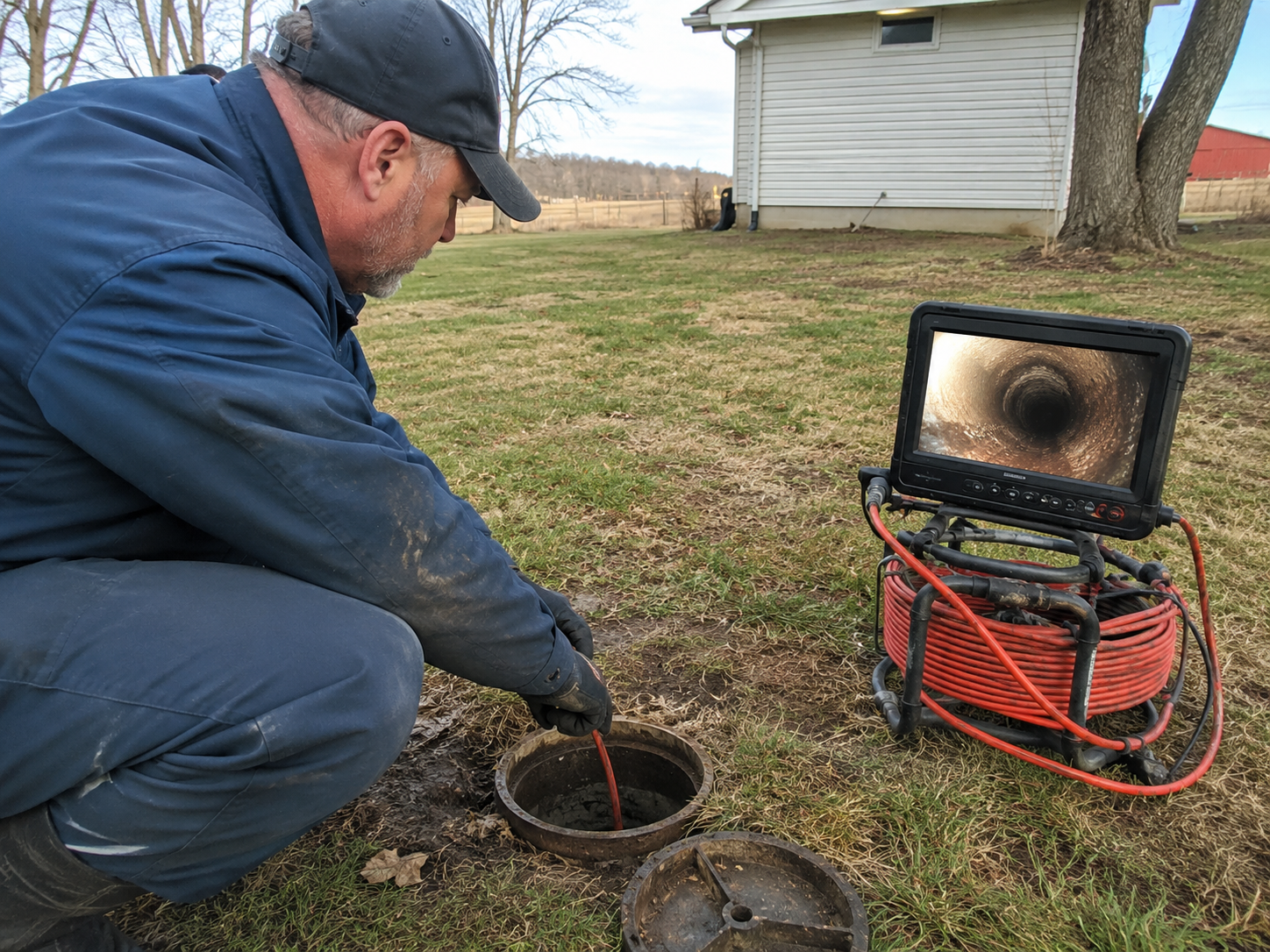
Recurring trouble on a property near Rolla or Fort Leonard Wood may call for a septic and sewer camera inspection. A camera may reveal roots, heavy buildup, separated joints, crushed piping, or standing water inside the line.
A Restricted or Failing Drain Field
Wastewater must be able to leave the tank and move into the drain field. If the field is saturated or no longer distributing wastewater properly, flow can slow throughout the system.
Warning signs may include:
- Problems that worsen after rain
- Several slow drains
- Sewage odors outside
- Wet or soft ground near the drain field
- Unusually green or spongy grass
- Symptoms that return shortly after pumping
Our guide to septic drain field failure signs in Missouri explains why pumping the tank does not correct every problem beyond the outlet.
A Blocked Inlet, Outlet, or Filter
The tank does not have to be completely full for flow to become restricted. Material may collect around an inlet baffle, outlet component, effluent filter, or connecting pipe.
Checking the tank level and observing how wastewater enters and leaves helps narrow down whether the problem is before, inside, or after the tank.
A Plumbing Vent Problem
Plumbing vents allow air into the drainage system as wastewater moves through the pipes. Leaves, nests, ice, damage, or installation issues may interfere with airflow and cause gurgling.
A vent problem is possible, but it should not be assumed when several drains are slow or wastewater is backing up. The wastewater system also needs to be evaluated.
Is the Septic Tank Full or Is the Line Clogged?
A full septic tank and a clogged sewer line can produce many of the same symptoms. Pumping history, the number of affected fixtures, tank levels, recent weather, and inspection findings are usually needed to distinguish them.
The Tank May Need Pumping When:
- The pumping history is unknown
- Several drains have gradually slowed
- Gurgling becomes worse during heavy water use
- Odors are present near the tank
- Too much accumulated waste is reducing the tank's working capacity
A Line Blockage May Be More Likely When:
- The problem began suddenly
- Lower fixtures are affected first
- Wastewater is not reaching the tank normally
- Previous cleaning only provided temporary relief
- Roots, wipes, grease, or debris may be involved
Look Beyond the Tank When:
- Symptoms return soon after pumping
- The problem becomes worse after rain
- Wastewater enters the tank but does not leave normally
- Wet soil or odors appear near the drain field
Pumping removes accumulated waste from the tank. It does not automatically clear the sewer line, repair damaged piping, or correct a restricted drain field.
When Do Gurgling Toilets and Slow Drains Become an Emergency?
The problem becomes urgent when wastewater can no longer move safely away from the property.
Stop using water and request emergency septic service when:
- Sewage enters a shower, tub, toilet, sink, or floor drain
- Flushing one toilet causes water to rise elsewhere
- Several fixtures stop draining
- Wastewater surfaces near the tank or drain field
- Strong sewage odors spread indoors
- The symptoms worsen quickly
- A home or business cannot safely use its wastewater system
For a backup at a rural home outside Lebanon or Marshfield, continued water use sends more wastewater toward an already restricted system. Stop laundry, dishwashing, showers, and unnecessary flushing until the cause is evaluated.
What Should You Do When Toilets Gurgle or Drains Slow Down?
1. Reduce Water Use
Postpone laundry, dishwashing, long showers, and other high-volume use. This does not repair the problem, but it may reduce the chance of a backup while service is being arranged.
2. Check How Many Fixtures Are Affected
Determine whether the issue is isolated or happening throughout the property. Note whether the toilet gurgles when the washer or shower drains and whether water is collecting in the lowest fixture.
Do not keep testing the system once sewage begins backing up.
3. Note What Happened Before It Started
Tell the service company about:
- Heavy rain
- Guests or increased water use
- Several loads of laundry
- Recent pumping or drain cleaning
- Excavation or construction
- Vehicle traffic over the septic area
- Grease, wipes, or foreign material entering the drains
4. Avoid Chemical Cleaners and Unproven Additives
These products cannot repair a pipe or correct a saturated drain field. Chemicals may also remain trapped behind a blockage.
The Environmental Protection Agency recommends controlling excess water use and arranging regular septic inspection and pumping based on the system's needs. Review the EPA's guidance for resolving septic-system problems.
5. Do Not Open or Enter the Tank
Septic tanks may contain dangerous gases, unstable lids, and untreated wastewater. Do not enter a tank, lean over an open access point, or dig around unknown components.
How Does a Professional Identify the Problem?
A proper evaluation follows the system from the building toward the final disposal area rather than assuming that the first symptom identifies the cause.
Review the Symptoms
The company may ask which fixtures are affected, when the problem began, whether rain or heavy water use preceded it, and when the tank was last pumped.
Locate and Check the Tank
Tank level, inlet flow, outlet flow, and accessible components can help show whether wastewater is reaching and leaving the tank normally.
Pump When Needed
Pumping removes accumulated waste and may restore needed capacity. It may also make parts of the system easier to evaluate.
Clean an Obstructed Line
When buildup or debris is blocking an otherwise usable line, professional cleaning may restore flow.
Use a Camera for Recurring Problems
A camera may show roots, buildup, cracks, separated joints, crushed sections, or places where wastewater is standing inside the pipe.
Recommend the Next Step Based on the Findings
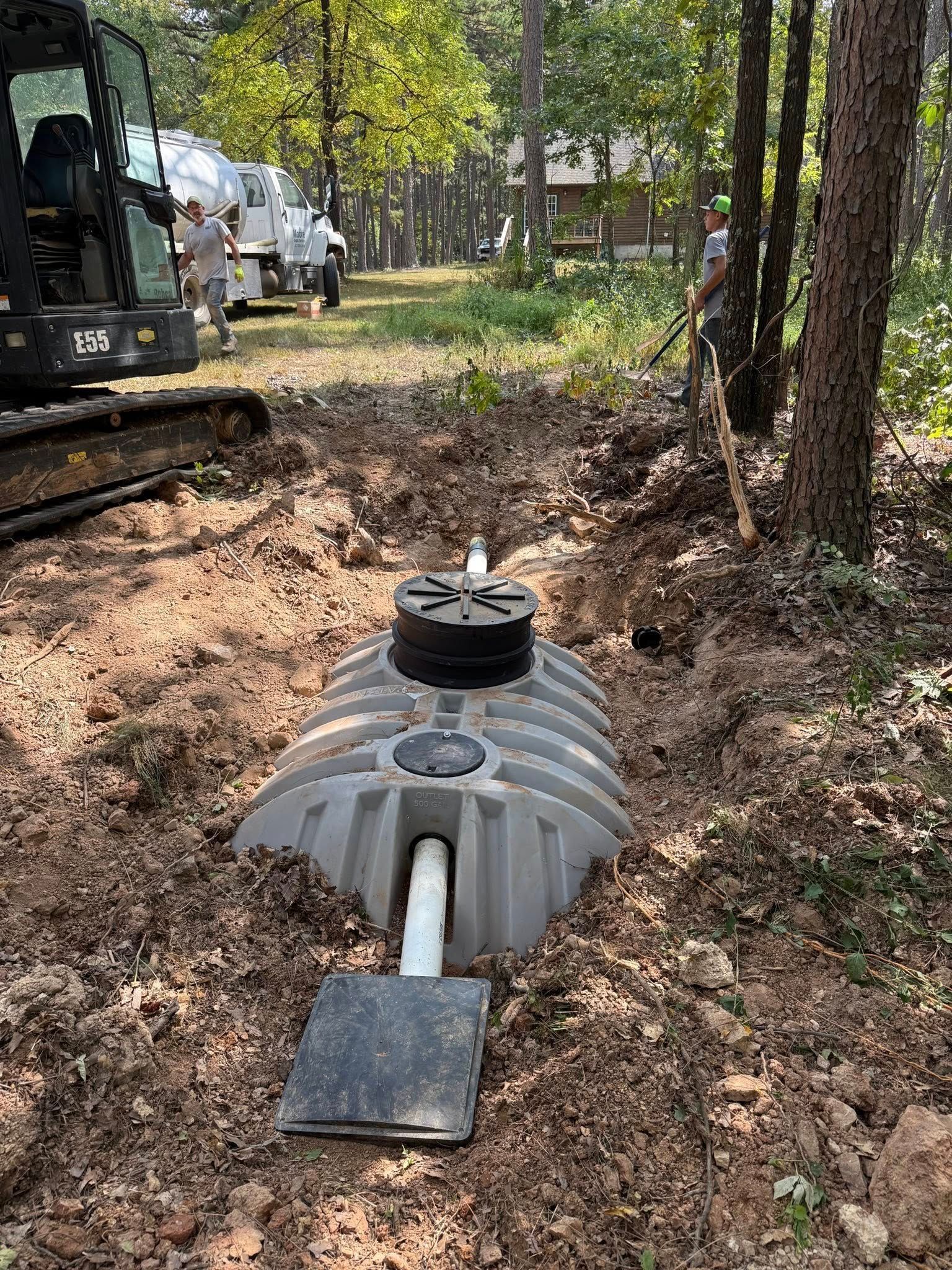
Depending on the condition, the solution may involve septic tank pumping, sewer and drain cleaning, camera inspection, septic system repair, new septic tank installation, excavation, or further drain field evaluation.
The purpose of the evaluation is to explain what is happening and recommend the service that fits the actual problem.
Get the Cause Identified Before a Slow Drain Becomes a Backup
You do not need to decide whether the problem is a full tank, clogged line, damaged pipe, blocked outlet, or drain field issue before calling.
Tell Moore Septic Services which fixtures are affected, when the symptoms began, and whether wastewater is backing up. We can evaluate the situation, explain what we find, and help determine whether pumping, sewer cleaning, camera inspection, repair, or replacement is the right next step.
For recurring gurgling, several slow drains, or an active wastewater backup in Southern Missouri, request septic or sewer service. Moore Septic Services is available 24/7 for urgent septic and wastewater problems.
Frequently Asked Questions
Does a Gurgling Toilet Mean My Septic Tank Is Full?
It can, but gurgling does not prove the tank is full. A blocked line, restricted outlet, damaged pipe, drain field problem, or plumbing vent issue can cause a similar sound.
Why Does My Toilet Gurgle When the Washer or Shower Drains?
The fixtures probably connect to a shared line. When a large volume of water enters a partially restricted pipe, displaced air may escape through the toilet bowl and create a bubbling sound.
Will Septic Pumping Fix Slow Drains?
Pumping may help when accumulated waste has reduced the tank's capacity. It will not clear every line blockage, repair broken piping, or correct a drain field that cannot accept wastewater.
Can a Sewer Camera Find a Recurring Clog?
A camera can often identify roots, buildup, cracks, separated joints, crushed piping, and standing water. It may not diagnose every drain field or soil problem, so other parts of the system may also need to be checked.
When Should I Request Emergency Septic Service?
Request emergency help when sewage enters the property, several fixtures stop draining, wastewater surfaces outside, strong odors spread indoors, or the symptoms worsen quickly. Stop unnecessary water use while waiting for service.