Installing a Septic System in Mountain Grove, Missouri: What Rural Property Owners Need to Know
Installing a new septic system on rural Missouri property involves much more than choosing a septic tank and having someone dig a hole. The site, soil, groundwater, available space, wastewater needs, system design, permitting, and excavation all need to work together.
For rural property owners in Marshfield, Missouri, understanding what happens before installation can help you plan your project, avoid unnecessary delays, and get a better idea of what your property actually needs.
At Moore Septic Services, new septic tank installation starts with evaluating the property and planning the system around its specific conditions. Moore Septic Services combines septic installation with excavation capabilities and other wastewater services, giving rural property owners a local team that can handle more of the work involved in a septic project.
What Needs to Happen Before Installing a Septic System in Mansfield, Missouri?
Before a new septic system is installed, the property needs to be evaluated to determine what type of system and placement will work for the site.
Soil conditions, groundwater, property layout, available space, wastewater needs, and applicable regulations can all affect the installation. Two rural properties that look similar from the road can have very different conditions underground.
Moore Septic Services begins its new septic tank installation process with site evaluation and planning. The company considers factors such as soil type, groundwater levels, property layout, and local regulations when determining the best location for the septic tank and drain field.
The goal isn't simply to install a tank. It is to install a septic system that fits the property and can function properly over the long term.
If you're building a new home near Springfield, septic planning should happen alongside other early decisions about the property rather than after the house location, driveway, and other improvements have already been established.
Do I Need a Permit for a New Septic System in Marshfield, Missouri?
In most cases, yes, although Missouri permitting requirements can vary depending on the property, the type of system, and the local authority that regulates onsite wastewater treatment.
Missouri Department of Health and Senior Services guidance states that a construction permit is required before installing most onsite wastewater treatment systems. Certain single-family residential properties may qualify for an exemption, and local authorities may have additional requirements beyond state standards.
Homeowners should determine which agency has permitting authority for their property before construction begins.
Moore Septic Services handles the necessary septic tank permitting as part of its installation process, helping address applicable local requirements before excavation begins.
Does My Property in Mansfield, MO Need a Soil Evaluation?
A site and soil evaluation is an important part of determining what type of septic system a property can support.
Missouri DHSS identifies soil and site conditions as major factors in selecting and designing an onsite wastewater treatment system. Soil characteristics, site limitations, available space, and other conditions can affect how wastewater is treated and dispersed.
A rural property may have plenty of open ground and still have a limited area that is appropriate for a septic system.
A site evaluation can help identify:
- Soil characteristics and limitations
- Groundwater conditions
- Available space
- Drainage concerns
- Suitable areas for the septic tank and drain field
- Potential limitations affecting system design
Is a Perc Test the Same as a Soil Evaluation?
Not necessarily.
Missouri recognizes different ways of evaluating soil and site conditions, including soil morphology evaluations and percolation testing. The appropriate evaluation depends on the property and applicable requirements.
Rather than assuming every Missouri property needs the same test, property owners should determine what type of evaluation is appropriate for their specific project.
How Is the Right Septic Tank Selected?
The septic tank needs to be appropriate for the system design and the property's expected wastewater needs.
Tank size should not be selected simply by choosing the largest tank available or relying on a generic rule of thumb. Residential requirements can take factors such as the number of bedrooms into account, while commercial and other non-residential properties can have very different wastewater demands.
For example, a rural home may have very different requirements from an RV park, subdivision, or business.
Moore Septic Services primarily installs SI Precast concrete septic tanks due to their durability, strength, and long-term reliability.
These details matter because the materials used in a septic installation are part of the overall system—not simply an afterthought once the tank has been selected.
Where Can a Septic System Be Installed?
A septic system cannot simply be placed wherever there happens to be open ground on the property.
The location needs to work with soil conditions, available space, groundwater, required separation distances, existing structures, wells, property layout, and the system design.
Before choosing locations for a new home, garage, shop, driveway, pond, or other improvements, consider where the septic tank and drain field will need to go.
If you're developing property near Mountain Grove, it can be much easier to coordinate the septic system with the rest of the property while plans are still being developed than to move other improvements later because the preferred septic area won't work.
The property itself needs to be evaluated rather than assuming every installation follows the same plan.
What If My Property in Mountain Grove, MO Has Difficult Soil or Limited Space?
Difficult soil or limited usable space does not automatically mean a property cannot have an onsite wastewater system, but it can affect the system design and installation requirements.
Missouri's onsite wastewater standards account for site and soil limitations and recognize different types of systems for properties with different conditions.
Identifying limitations early gives the property owner and septic professional an opportunity to plan around them before construction begins.
For someone purchasing rural property, this can also be an important part of due diligence. Understanding where the septic system can go may affect decisions about future buildings, landscaping, driveways, and other improvements.
Why Is Excavation Important During Septic Installation in Rogersville, MO?
Excavation turns the septic system plan into an actual installation, so the work needs to be completed carefully and according to the system design.
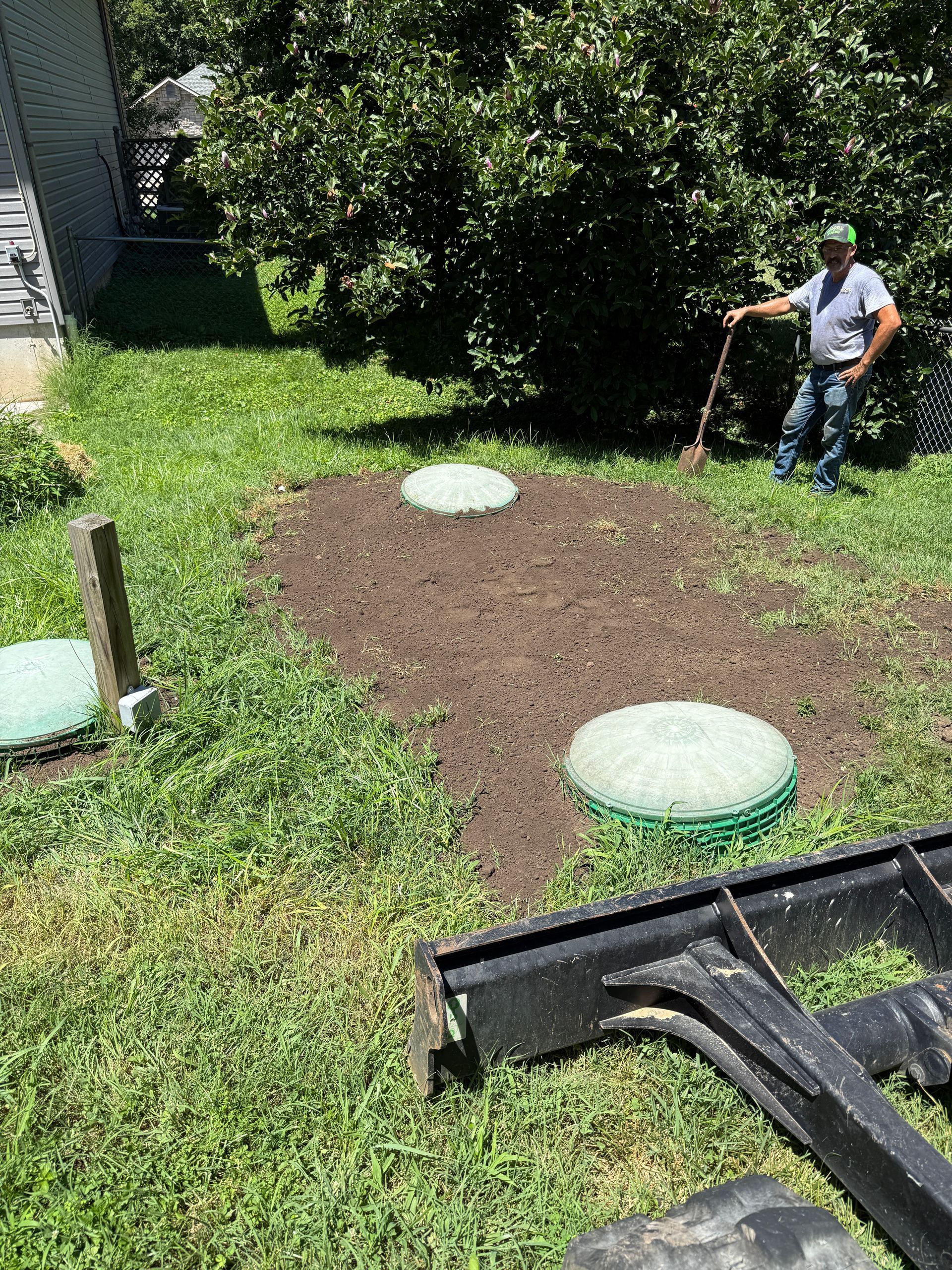
Excavation may involve preparing the areas for the septic tank and drain field, placing the tank, installing piping, and preparing the soil treatment area.
Moore Septic Services provides excavation and land-clearing services, including mini excavator and dozer work, utility trenching, land clearing, brush removal, grading, gravel driveway installation, and property cleanup.
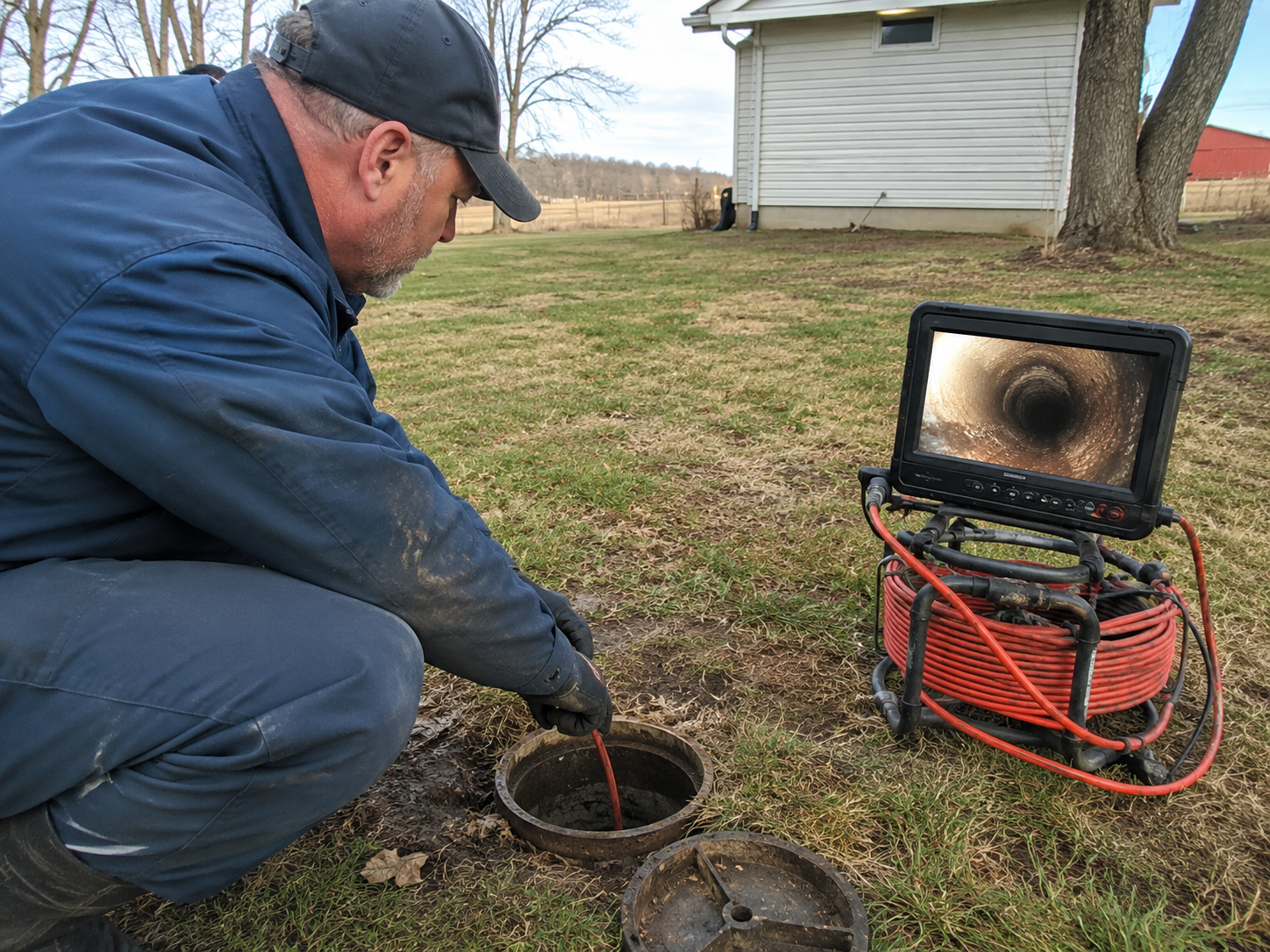
Moore Septic Services also offers other services relevant to rural property projects, including septic and sewer camera inspections, sewer and drain cleaning, tree removal near septic systems, and septic tank replacement.
What Is Moore Septic Services' New Septic Installation Process?
Moore Septic Services uses a six-step installation process that starts with evaluating the property and ends with connecting and testing the completed system.
Site Evaluation and Planning
Moore Septic Services assesses the property to determine the best location for the septic tank and drain field, considering soil type, groundwater levels, property layout, and local regulations.
Septic Tank Permitting
Moore Septic Services handles the necessary permitting process before beginning construction.
Excavation
Once the project is ready, Moore Septic Services uses specialized equipment to excavate the designated areas for the septic tank and drain field.
Septic Tank Placement
The precast concrete septic tank is carefully placed and leveled, with attention to alignment with the property's plumbing system.
Drain Field Installation
The drain field is installed using materials selected for the system and property requirements.
Septic System Connection and Testing
The septic system is connected to the home or business plumbing and tested to ensure it is functioning correctly.
This process reflects what Moore Septic Services emphasizes throughout its business: straightforward, reliable service. We take a no-nonsense approach, with an emphasis on punctuality, accurate quotes, answering the phone, and getting the job done right the first time.
Our workmanship is also backed with a warranty. If something does not work correctly, Moore Septic Services will fix it promptly. That level of service can make a significant difference when you are investing in a major property improvement like a new septic system.
What Should I Ask Before Getting a Septic Installation Estimate?
Before requesting an estimate, gather as much information about the property and project as possible.
Useful questions include:
- Is this a completely new septic system or a replacement?
- How many bedrooms will the home have?
- Is the property connected to a private well?
- Do I know where an existing septic system is located?
- Has the property had a soil or site evaluation?
- What type of septic system is appropriate?
- What permitting is required?
- How much usable space is available?
- Are there plans for a driveway, shop, garage, pond, or other improvements?
- Will excavation or land clearing also be necessary?
- What type of septic tank and materials are recommended?
- What maintenance will the completed system require?
It is also worth asking how the contractor handles permitting, excavation, communication, and unexpected site conditions.
Moore Septic Services’ broader capabilities can be useful when a project involves more than the septic tank itself, including pumping, repair and replacement, camera inspections, sewer and drain cleaning, excavation, and tree removal near septic systems.
FAQs About New Septic Installation in Missouri
How Much Does a New Septic System Cost in Missouri?
There isn't one price that applies to every property. Cost can vary based on soil and site conditions, system design, tank size, excavation, drain field requirements, permitting, accessibility, and other project-specific factors.
The best way to get a useful estimate is to have the property evaluated and discuss the project with a septic professional.
How Long Does Septic Tank Installation Take?
The timeline depends on permitting, site conditions, system design, excavation, weather, and project complexity.
A straightforward installation can have a very different timeline from one involving difficult soil, limited space, extensive excavation, or a more complex system design.
Can I Install a Septic System Anywhere on My Property?
No. The septic tank and drain field need to be located in areas appropriate for the site and soil conditions and that meet applicable requirements.
The system should be planned before excavation begins.
Do I Need a Soil Evaluation Before Installing a Septic System?
A site and soil evaluation is an important part of determining the appropriate onsite wastewater treatment system. The exact evaluation requirements depend on the property and applicable local and state requirements.
What Type of Septic Tanks Does Moore Septic Services Install?
Moore Septic Services primarily installs SI Precast concrete septic tanks. These tanks are durable, strong, and have long-term reliability.
Does Moore Septic Services Handle Excavation?
Yes. Excavation is part of Moore Septic Services’ new septic installation process. We also provide broader excavation and land-clearing services, including mini excavator and dozer work, utility trenching, grading, and property cleanup.
What If I Need a Septic System for a Business or Development?
Moore Septic Services works with residential, commercial, agricultural, and industrial clients.
Its broader wastewater and vacuum truck capabilities also serve applications such as RV parks, construction operations, agricultural businesses, and other commercial properties. Commercial and development projects can have very different wastewater demands from a single-family home, so the system needs to be planned around the specific property and expected use.
Planning a New Septic System in Southern Missouri?
A new septic system is a major part of developing rural property. The right installation starts before the excavator arrives—with understanding the site, evaluating the soil, determining the appropriate system, addressing permitting, and planning the installation around how you intend to use the property.
That's the approach Moore Septic Services takes with new septic tank installation.
We combine septic installation with excavation and other wastewater services, use SI Precast concrete septic tanks, handle permitting as part of the installation process, and back our workmanship with a warranty.
Whether you're building a new home in Springfield, developing rural property near Lebanon or Rogersville, or replacing an outdated septic system elsewhere in Southern Missouri, Moore Septic Services can help you understand what your property needs before construction begins.
Contact Moore Septic Services to discuss your new septic installation project.