Septic Tank Replacement Cost in Rural Missouri: What to Expect
Septic replacement is one of the bigger property expenses rural homeowners and business owners can face, and it usually comes up when something is already going wrong or when an inspection forces the issue.
After working on septic systems across rural Missouri, we can tell you this right away. The cost is not just about replacing a tank. It is about installing a system that fits your soil, your property layout, and local requirements so it works the way it should for years to come.
We have seen this firsthand on properties around Lebanon, Marshfield, Cabool, Waynesville, and the surrounding rural areas. Two properties can look similar above ground and require very different solutions once the work begins.
If you are trying to understand what your septic replacement may cost and why the numbers can vary so much, this guide will give you a clear, practical breakdown.
What Is the Average Cost to Replace a Septic System in Rural Missouri?
Most septic system replacements in rural Missouri fall between $5,000 and $15,000.
Here is the direct cost breakdown most property owners are looking for:
- Tank only replacement: $3,000 to $7,000
- Full system with drain field: $5,000 to $15,000+
- Complex or engineered systems: $15,000 to $20,000+
In our experience, the biggest variable is usually not the tank itself. It is what the land requires in order for the system to function properly.
We run into this regularly. A property near Mansfield may allow for a more straightforward installation, while a property outside Houston or Plato may need a different design because of soil conditions, drainage limitations, or access issues. That difference alone can move the cost significantly.
The main takeaway is simple. You are not just paying for a septic tank. You are paying for a complete system that has to perform correctly on your property long term.
What Factors Affect Septic Replacement Cost the Most?
There are a few factors that drive nearly every septic replacement estimate.
Soil Testing and Site Evaluation
Before anything is installed, the soil has to be tested.
If the soil does not absorb wastewater properly, a standard system may not be an option. That is one of the most common reasons costs increase, especially in parts of Wright and Texas counties. The Missouri Department of Health and Senior Services outlines these onsite wastewater requirements clearly in its onsite wastewater treatment guidance.
Type of Septic System
Some properties qualify for a conventional system. Others require aerobic or engineered systems to meet site conditions and local rules.
That decision is one of the biggest pricing differences we see in the field.
Excavation and Dirt Work
This is often the largest portion of the job in rural areas.
Rock, slope, and access all matter. Properties around places like Dixon or Richland can require more excavation, more equipment time, and more site prep, which directly affects the final price.
Tank Size and Materials
Most residential systems use tanks in the 1,000 to 1,500 gallon range, but larger homes or higher-usage properties may need a larger setup.
Material choice also affects durability and long-term performance.
Permits and Local Requirements
Every county has its own requirements.
Whether you are near Fort Leonard Wood or elsewhere in Laclede County, permits, inspections, and compliance all need to be factored into the total investment.
Septic System Cost Breakdown by Type
The type of system installed will determine a large part of your total cost.
Conventional Septic Systems
This is usually the most cost-effective option when soil conditions allow.
These systems are commonly installed on properties with good natural drainage.
Aerobic Treatment Units
These systems provide additional treatment and are often required when soil conditions are not suitable for a conventional setup.
They cost more upfront, but they are necessary on some properties.
Engineered or Alternative Systems
Some sites require a custom-designed system because of terrain, drainage limitations, or soil conditions.
These systems cost more, but they are designed to solve problems that a basic system cannot. If you want to learn more about what that process looks like, visit our septic installation and replacement services page.
Signs You May Need a Full Septic Replacement
There are clear signs that replacement may be the better option.
Recurring Backups or Slow Drains
If the same issue keeps coming back, the system may be failing beyond a simple repair.
Standing Water or Strong Odors
This often points to a failing drain field, especially in areas where drainage is already poor.
Failed Inspection During a Sale
We see this often during rural real estate transactions. A failed septic inspection can delay or stop a sale until the system is addressed.
Aging System
Most septic systems last around 20 to 40 years. Once a system gets into that range, replacement is often more practical than continuing to repair it.
If your system is still functioning but starting to show signs of trouble, routine maintenance like septic pumping can sometimes help extend its service life.
Is It Better to Repair or Replace Your Septic System?
That depends on how far the issue has progressed.
When a Repair Makes Sense
If the problem is isolated, a repair may be enough to fix it.
When Replacement Is the Better Investment
If problems are recurring, the drain field is failing, or the system design no longer works for your property, replacement is usually the smarter long-term decision.
Cost Comparison
Repairs may cost less upfront, but repeated repairs can add up quickly.
Replacement solves the issue at the source and gives you a system you can rely on.
How to Save Money on Septic Replacement in Missouri
There are a few practical ways to keep costs from climbing higher than they need to.
Address Issues Early
Waiting often turns a manageable problem into a larger and more expensive failure.
Stay on a Regular Pumping Schedule
Routine maintenance is one of the best ways to help extend system life.
Install the Right System the First Time
Choosing the wrong system can create costly problems later.
Work with a Local Septic Company
Local experience matters.
Understanding rural properties, soil conditions, and county requirements across areas like Wright, Texas, Laclede, and Pulaski counties helps avoid delays, design mistakes, and unnecessary costs. The EPA also emphasizes the importance of proper system design and maintenance in its septic system homeowner resources.
Septic Replacement FAQs
How long does septic replacement take?
Most systems can be installed in one to three days depending on the property and site conditions.
Do I need a permit in Missouri?
Yes. Most counties require permits and inspections before a new system can be approved.
Can I stay in my home during replacement?
Usually, yes. Water use may be limited during parts of the installation, but in many cases you can remain in the home.
Septic Replacement in Rural Missouri: What to Expect from Start to Finish
Inspection and Soil Testing
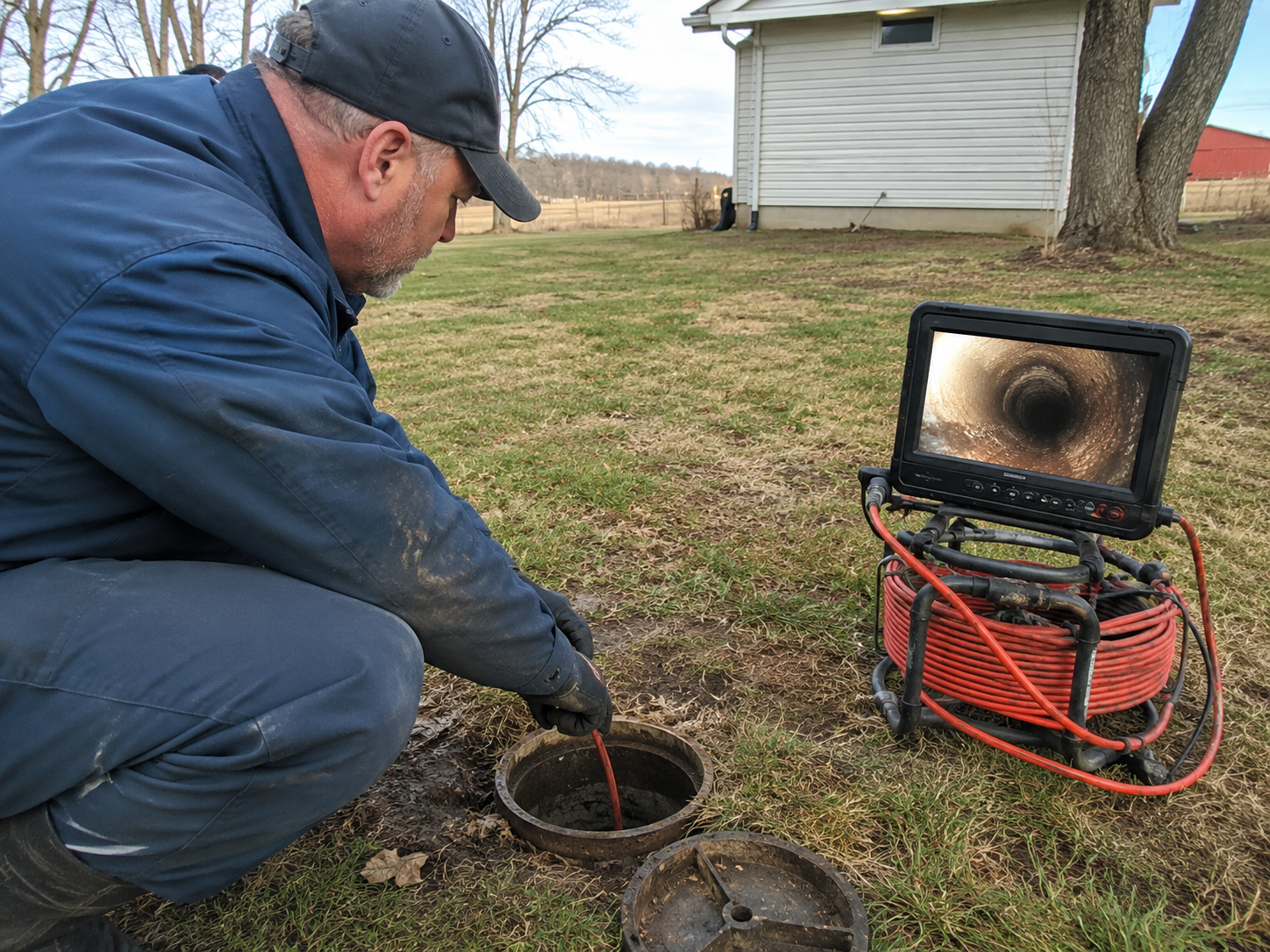
Your property is evaluated to determine the right system for the site.
System Design and Permitting
Plans are prepared and submitted for approval.
Excavation and Installation
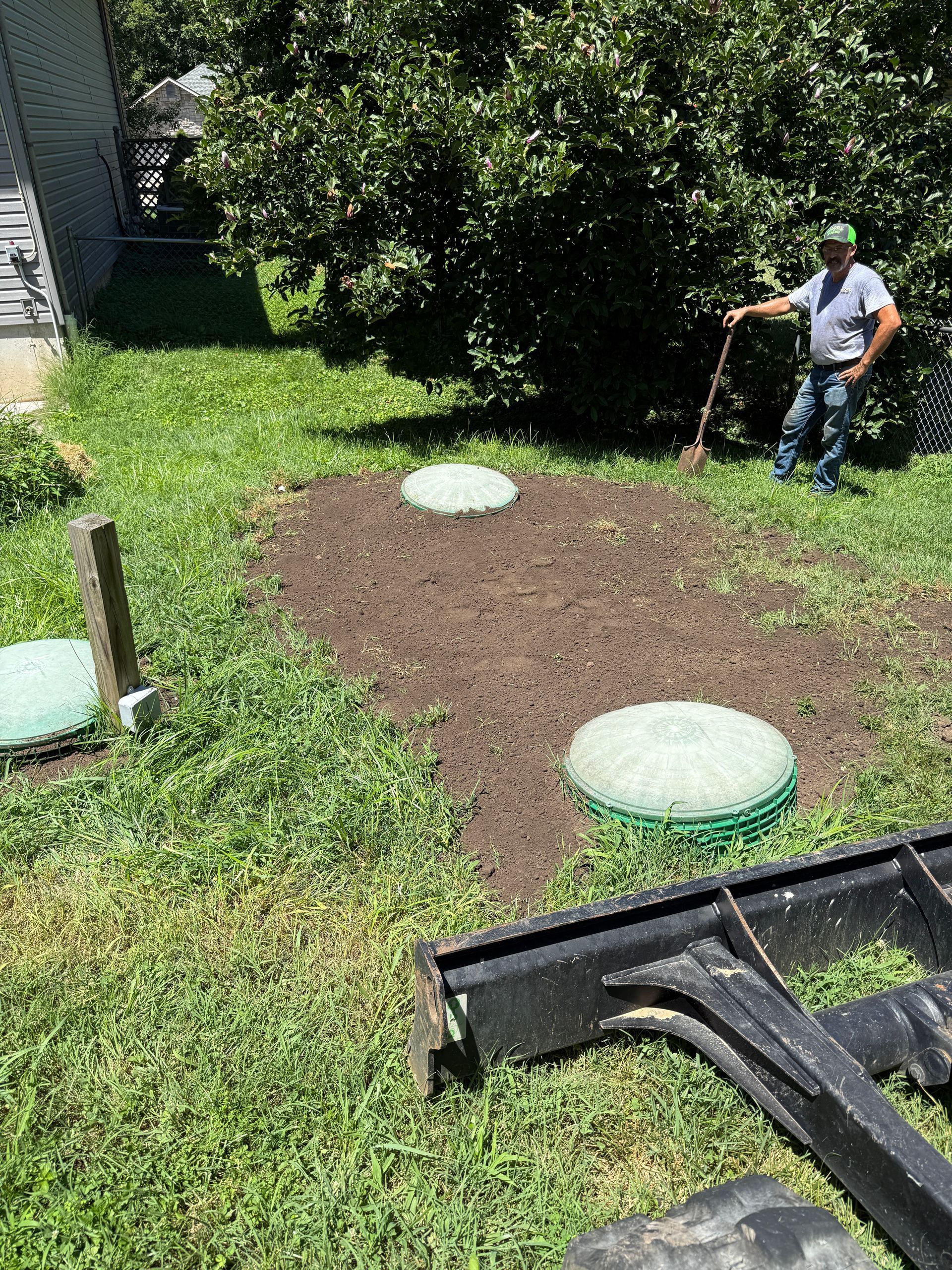
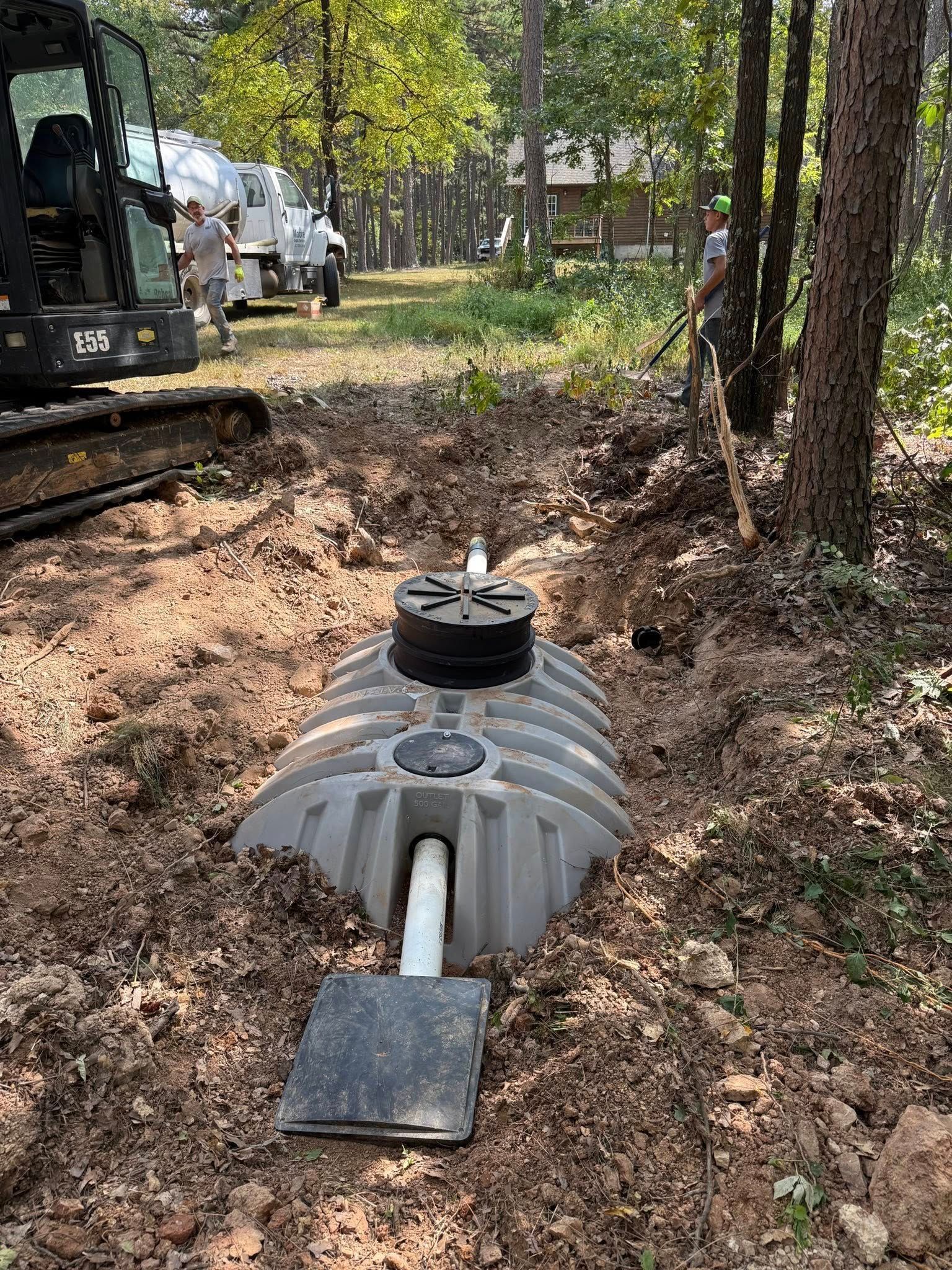
The old system is removed if needed, and the new system is installed based on the property’s needs.
Final Inspection
The system is inspected and approved before it is put into use.