Do You Need a New Septic Tank or Just a Repair? What Springfield Homeowners Should Know
When a septic system starts acting up, many homeowners assume the worst. In reality, some problems can be repaired quickly, while others require replacement to prevent repeated failures. The fastest way to avoid wasted money is to identify what is actually wrong before choosing a fix.
Overview
If you are in Springfield, MO and dealing with septic backups, slow drains, odors, or wet spots in the yard, you may be wondering whether you need septic tank repair or a full replacement.
This guide explains what is typically repairable, what usually points to replacement, and how inspections and maintenance help you choose the most cost-effective path forward.
Quick Answer: Repair vs Replacement
Septic repair is often the right choice when the problem is isolated, such as a damaged component, a localized pipe issue, or a blockage that can be corrected.
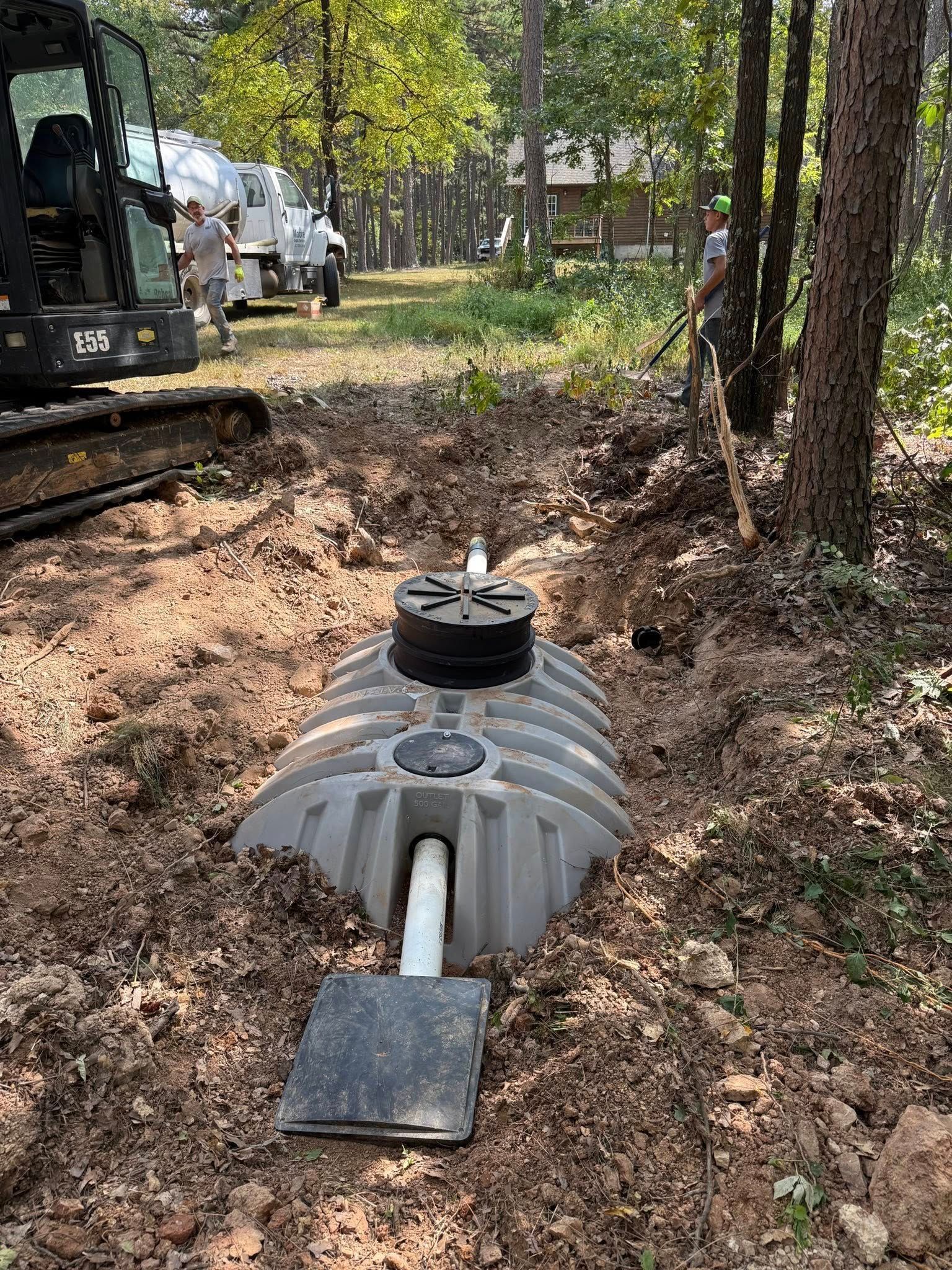
Septic replacement is more likely when the tank is structurally failing, collapsing, severely cracked, or when the system has ongoing issues that cannot be corrected with targeted repairs.
The goal is not to guess. The goal is to confirm the cause so the fix matches the problem.
Septic Problems That Are Often Repairable
Many septic issues in Springfield can be resolved without replacing the entire tank. Repairs are more likely when the tank itself is still structurally sound and the problem is limited to a component or a section of line.
- Damaged lids or risers: cracks, shifting, or poor seals that create safety and odor problems
- Baffle issues: missing or damaged baffles that allow solids into the drain field
- Localized line damage: a broken section of pipe that can be repaired or replaced
- Blockages: buildup, clogs, or obstructions that can be cleared
- Distribution box problems: shifting or failure that disrupts proper flow
- Some drain field issues: depending on cause, severity, and system condition
In many cases, a repair combined with a maintenance plan can restore performance and extend the life of the system.
Signs You May Need Septic Tank Replacement in Springfield, MO
Replacement is more likely when the tank or system has reached a point where repairs will not hold. An inspection is the best way to confirm structural condition, but these signs often point to bigger issues.
- Repeated backups after pumping with no clear short-term fix
- Persistent sewage odors that return even after service
- Standing wastewater or chronic wet areas over the system
- Confirmed tank deterioration such as severe cracks or collapse risk
- Multiple failures across the system rather than one isolated issue
If the tank is failing structurally, replacement is often the safer and more cost-effective long-term choice.
Why Septic Problems Keep Returning After Pumping
Septic pumping is essential maintenance, but it does not fix every problem. If symptoms return quickly after pumping, the cause is often outside the tank itself.
Common reasons issues return include line damage, root intrusion, offset joints, distribution problems, or drain field issues. This is where inspection becomes important because it helps identify whether the problem is repairable or system-wide.
How to Decide: Inspection Steps That Save Money
If you want to avoid unnecessary replacement, the best path is to verify what is wrong before approving major work. These steps help determine the most direct fix.
1) Start with a clear symptom timeline
Note when the problem started, how often it happens, and whether it improves after pumping or cleaning. Recurring patterns help narrow down likely causes.
2) Pump the tank if it is overdue
Pumping can remove one variable and make inspection safer and more accurate. It can also reveal whether the tank is filling abnormally or if the issue appears to be in the lines or drain field.
3) Use targeted inspection when needed
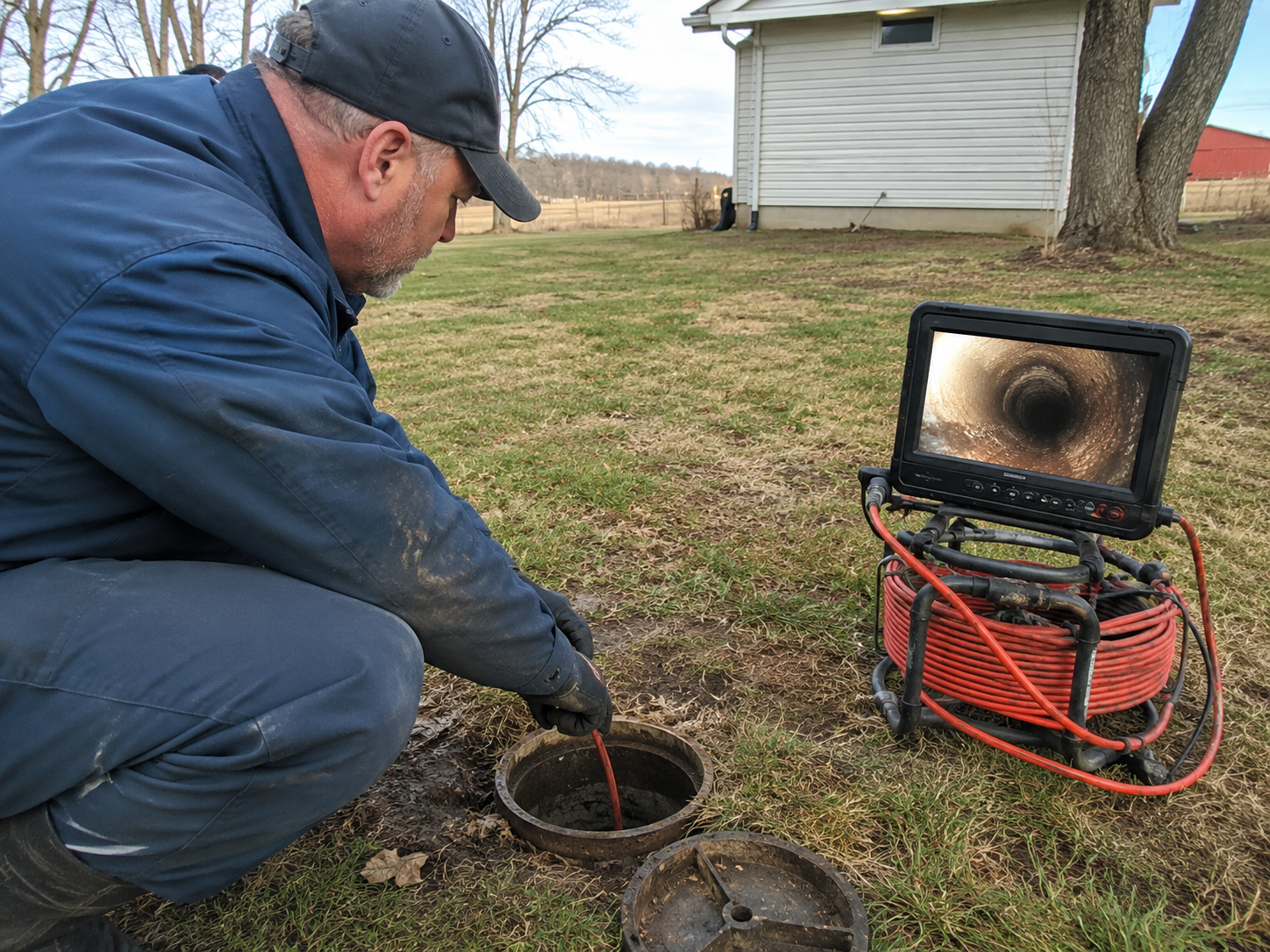
When line condition is in question, a camera inspection can reveal damage, roots, and other issues that affect whether repair is realistic. This prevents spending money on solutions that do not match the cause.
4) Choose the fix that prevents repeat failures
A cheap fix that repeats is often more expensive than the correct repair done once. The right recommendation should be based on system condition, safety, and long-term reliability.
FAQ
How do I know if I need septic tank repair or replacement?
Repair is often possible when the issue is isolated, such as a lid, baffle, component, or localized line problem. Replacement is more likely when there is confirmed structural tank failure or repeated system-wide problems.
What septic problems are usually repairable?
Repairable issues often include damaged lids or risers, baffle problems, blockages, localized pipe breaks, and some distribution box or drain field issues depending on severity.
What are signs a septic tank may need replacement?
Repeated backups after pumping, persistent odors, chronic wet areas over the system, and confirmed structural damage are common signs that replacement may be necessary.
Should I pump my tank before deciding on repairs or replacement?
In many cases, yes. Pumping can make inspection safer and helps determine whether the issue is simply an overfull tank or something more serious in the system.
Can a camera inspection help decide between repair and replacement?
Yes. Camera inspections can show roots, breaks, offsets, and line condition, which helps determine whether repair is sufficient or if replacement is a better long-term option.