What RV Parks and Campgrounds Should Know About Commercial Septic Pumping in Missouri
For RV parks and campgrounds across Missouri, septic problems rarely happen during slow periods. Most emergency calls come during holiday weekends, summer travel surges, or after multiple RVs dump holding tanks within a short period of time. What begins as a slow drain or occasional odor can quickly turn into overflowing tanks, restroom shutdowns, guest complaints, and expensive downtime during peak season.
At Moore Septic Services, we work with rural wastewater systems every day throughout communities outside city sewer infrastructure. Our team regularly services campgrounds, RV properties, subdivisions, and commercial systems in areas like Lebanon, Rolla, Marshfield, Seymour, and surrounding rural Missouri communities where dependable septic performance is critical during busy travel months.
Commercial septic pumping in Missouri is very different from residential maintenance. RV parks deal with fluctuating occupancy, high-volume wastewater flow, concentrated RV waste, and sudden surge loads that can overwhelm systems quickly if pumping schedules are delayed. We have seen firsthand how preventative maintenance before peak season helps campground owners avoid emergency failures, protect guest experience, and reduce long-term repair costs.
This topic is especially important right now because campground and RV traffic begins increasing heavily throughout May and summer travel season. It also directly supports one of the client’s biggest growth goals: recurring commercial septic work for RV parks, subdivisions, and rural businesses.
According to the Missouri Department of Natural Resources, some larger onsite wastewater systems may require operating permits, inspections, and documented maintenance depending on wastewater volume and system type.
Why Commercial Septic Pumping Matters More for RV Parks and Campgrounds
Commercial wastewater systems at RV parks operate under much heavier demand than residential septic systems. A single busy weekend can place more stress on a campground septic system than some homes generate in months.
RV hookups, bathhouses, dump stations, cabins, laundry facilities, and public restrooms all contribute to constant wastewater flow throughout the property. During summer travel season, that demand increases rapidly.
One of the biggest operational challenges campground owners face is managing surge loads. When multiple RVs dump 60-80 gallon holding tanks within a short period of time, wastewater volume can spike quickly and overwhelm systems already operating near capacity.
That is one reason campground septic pumping schedules often need to happen far more frequently than standard residential maintenance.
RV Wastewater Is Harder on Septic Systems
Many campground owners are surprised to learn that RV wastewater can be more concentrated than standard household sewage.
RV holding tanks often contain highly concentrated organic waste, chemical additives, cleaning agents, deodorizing products, and heavy paper waste. Over time, this can disrupt the biological balance inside the septic system and accelerate sludge buildup if tanks are not pumped consistently.
One Septic Failure Can Affect Your Entire Operation
For commercial properties, septic issues affect much more than plumbing.
- Guest complaints
- Canceled reservations
- Refund requests
- Restroom closures
- Health department concerns
- Negative online reviews
Most campground owners are not worried about a septic system on a random Tuesday in February. They worry about it during Memorial Day weekend when the property is full and guests are relying on every restroom, shower, and hookup to work properly.
That is why proactive commercial septic pumping in Missouri is critical for RV parks and campground operators.
Signs Your Campground or RV Park Needs Septic Pumping
Commercial septic systems usually provide warning signs before a major failure occurs. The problem is many campground owners wait until those symptoms become severe before scheduling service.
If your campground near Mountain Grove, Ft. Leonard Wood, or Houston has experienced any of the following issues recently, the system may already be overdue for pumping.
Slow Drains Across Multiple Buildings
When sinks, toilets, or showers begin draining slowly throughout the property at the same time, it often points to a larger septic issue rather than a single clog.
In some cases, campground owners may also need professional sewer and drain cleaning services to remove buildup affecting wastewater flow.
Sewage Odors Near Dump Stations or Bathhouses
Persistent odors around RV dumping areas, drain fields, or restroom buildings often signal the septic system is overloaded or not processing waste properly.
Pooling Water Around the Drain Field
Standing water near septic components is one of the clearest warning signs that the system is struggling with wastewater capacity.
Frequent Toilet Backups During Busy Weekends
This is one of the most common commercial emergency calls during peak campground season in Missouri.
Emergency Service Calls Are Becoming More Common
If staff repeatedly deal with drainage complaints, restroom issues, or wastewater concerns, the underlying septic system may already be operating beyond safe capacity.
The System Was Not Pumped Before Peak Season
One of the biggest mistakes campground owners make is waiting until summer occupancy is already high before scheduling maintenance.
Preventative pumping before peak travel season dramatically reduces the risk of emergency interruptions later.
How Often Should Commercial Septic Systems Be Pumped?
There is no universal pumping schedule for campground septic systems because every property operates differently.
A smaller campground near Seymour may have very different wastewater demands than a large RV park near Springfield with full hookups, bathhouses, laundry facilities, and cabins.
Several factors influence pumping frequency, including the number of campsites, occupancy rates, tank size, wastewater volume, food service operations, drain field condition, system age, and seasonal traffic increases.
Commercial Campgrounds Often Need More Frequent Pumping
Residential systems may go several years between pumping, but commercial campground systems usually require significantly more frequent service.
Properties with heavy summer occupancy may require pumping every few months during peak season to avoid overload conditions.
Pre-Season Maintenance Helps Prevent Emergency Failures
One of the smartest things campground owners can do is schedule pumping and inspections before major summer travel periods begin.
This is especially important before Memorial Day weekend, Fourth of July travel, seasonal campground openings, large events, or tournaments.
Most septic emergencies are preventable when systems are serviced proactively instead of reactively.
Recurring Maintenance Plans Help Commercial Properties Stay Ahead
Recurring commercial septic maintenance gives campground owners a predictable service schedule rather than waiting for problems to happen.
For RV parks and subdivisions with recurring wastewater demand, this approach often helps reduce emergency pumping costs, drain field damage, system downtime, expensive excavation work, and premature septic replacement.
What’s Included in Commercial Septic Pumping Services
Professional commercial septic pumping involves much more than simply emptying a tank.
At Moore Septic Services, commercial wastewater pumping services are designed to help identify operational risks early while keeping systems functioning efficiently during high-demand periods.
Large Septic Tank Pumping
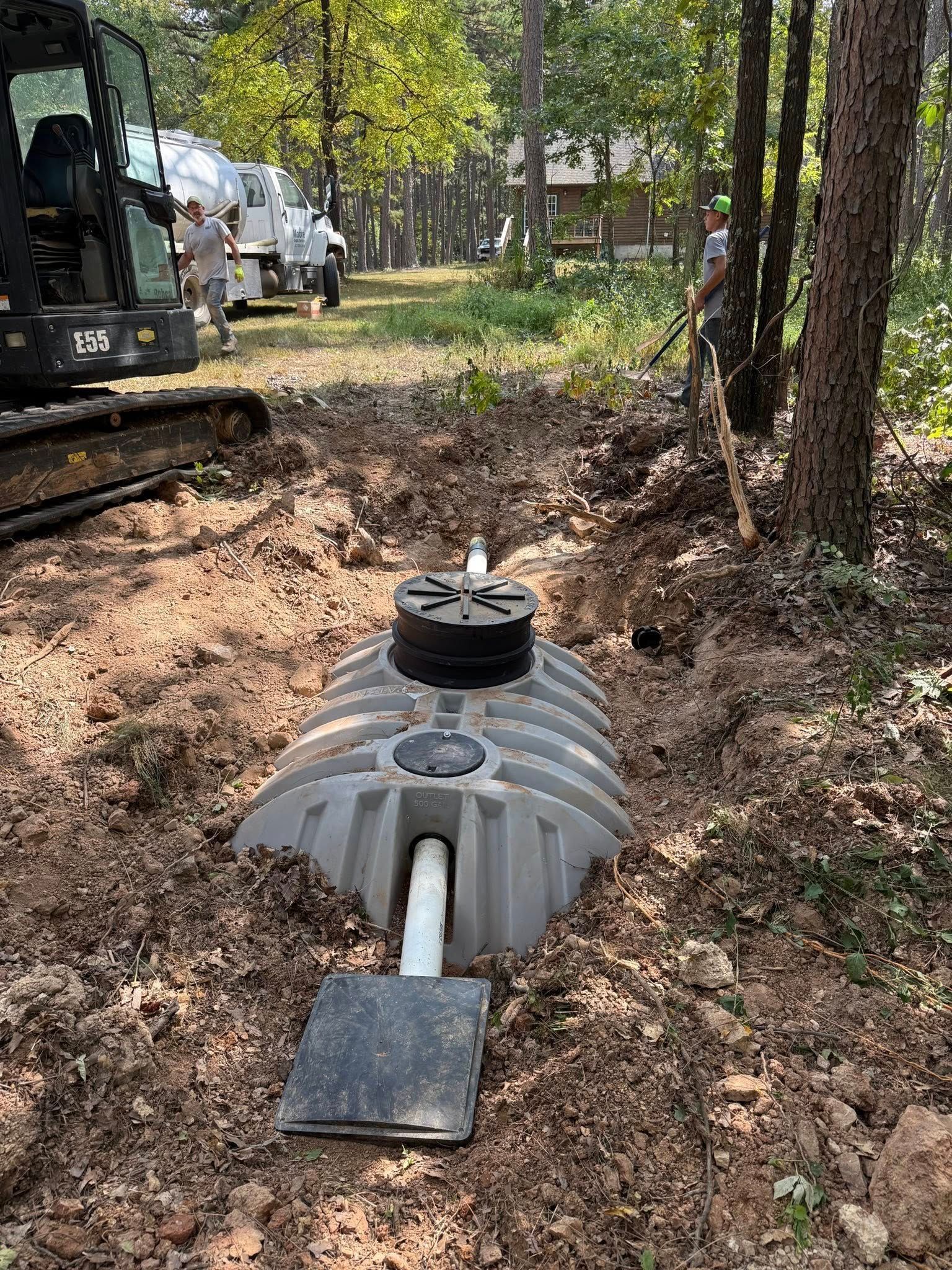
Commercial systems typically use significantly larger tanks than residential properties and require specialized equipment capable of handling high wastewater volumes safely.
Wastewater Pumping Services for Rural Properties
Commercial wastewater pumping services commonly support RV parks, campgrounds, subdivisions, rural commercial facilities, recreational properties, construction sites, and excavation projects.
Recurring commercial work remains one of the company’s primary long-term focuses because these properties require dependable ongoing support.
System Inspections During Service
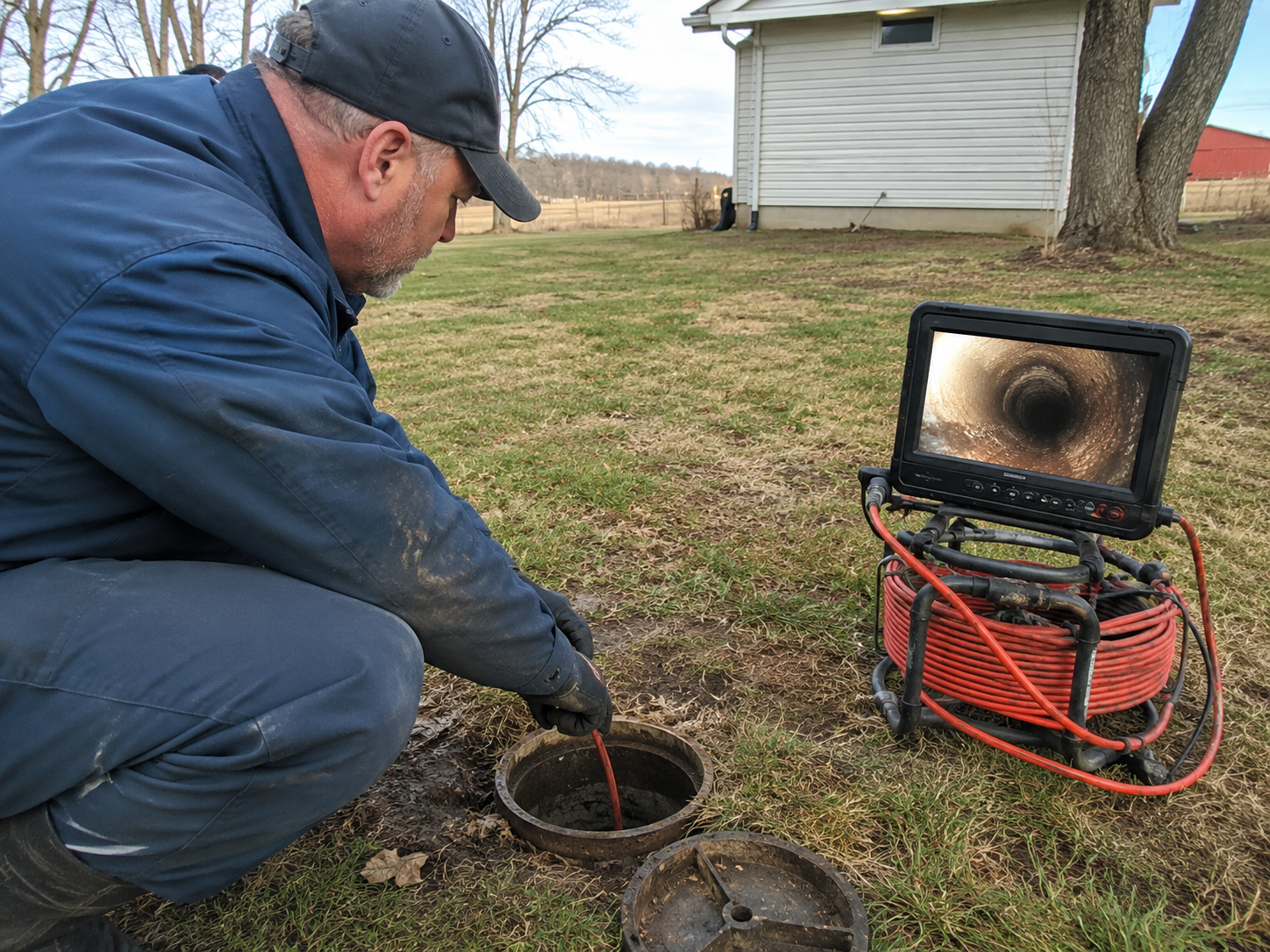
During pumping visits, technicians can often identify early warning signs before major failures occur.
This may include excessive sludge buildup, overflow risks, damaged components, drain field stress, tank wear, and baffle problems.
The Environmental Protection Agency also recommends regular septic inspections and maintenance to help extend system lifespan and reduce costly failures.
Maintenance Recommendations Based on Real Usage Patterns
One thing many commercial property owners overlook is that septic schedules should change based on occupancy patterns, not just calendar dates.
A campground with heavy holiday traffic may need additional pumping during peak travel months even if the system performed well earlier in the year.
Missouri Wastewater Regulations Campground Owners Should Understand
Many campground owners are unaware that larger commercial wastewater systems may fall under additional Missouri wastewater requirements depending on system size and flow volume.
According to Missouri wastewater guidance, systems handling more than 3,000 gallons per day may require additional permitting or operational oversight. Some properties may also need documented maintenance records and solids inspections depending on the type of system being used.
Local counties and watershed districts may also apply stricter requirements than state minimums.
For campground owners, staying proactive with commercial septic maintenance is not only about preventing backups. It can also help support compliance, operational documentation, and long-term system performance.
This becomes especially important for large RV parks, high-volume campgrounds, subdivisions, and rural commercial wastewater systems.
Why Missouri RV Parks Need a Local Septic Partner
Rural wastewater systems in Missouri come with challenges that many out-of-area companies may not fully understand.
Heavy rain, changing soil conditions, rural terrain, and seasonal occupancy spikes all affect how septic systems perform.
Rural Wastewater Systems Require Specialized Experience
Campgrounds outside municipal sewer systems depend entirely on properly functioning septic infrastructure.
Properties near Rolla, Marshfield, and Pulaski County often experience different drainage and wastewater challenges than urban properties connected to city sewer systems.
Fast Emergency Response Matters During Peak Season
If a campground septic system backs up during a busy weekend, owners need fast response times and dependable communication.
Moore Septic Services provides 24/7 emergency septic services for rural Missouri properties that cannot afford extended downtime.
Commercial Clients Need Reliability
For commercial property owners, reliability matters just as much as the actual pumping service.
Our business was built around prompt communication, dependable workmanship, quality materials, responsive service, and long-term customer relationships.
Those are also the exact priorities many rural property owners say matter most when choosing a septic provider.
Commercial Septic Problems That Start Small but Get Expensive Fast
Most major commercial septic failures do not happen overnight.
They usually begin with smaller issues that were ignored too long because the system still seemed to be functioning.
Overloaded Systems During Holiday Weekends
Busy travel weekends place enormous strain on campground wastewater systems, especially properties already operating near capacity.
Improper RV Waste Disposal
Flushable wipes, grease, chemicals, and non-septic-safe products can disrupt system performance quickly.
Drain Field Saturation After Heavy Rain
Missouri weather can heavily impact drain field performance, particularly on heavily used rural properties.
Delayed Pumping Leading to Drain Field Damage
Once solids move beyond the tank and into the drain field, repairs often become significantly more expensive and disruptive.
In severe cases, long-term neglect can eventually require septic tank replacement services or major excavation work.
Frequently Asked Questions About Commercial Septic Pumping in Missouri
How much does commercial septic pumping cost in Missouri?
Commercial septic pumping costs vary based on tank size, accessibility, wastewater volume, and how often the property is serviced. Campground systems generally require more extensive service than residential tanks because of higher wastewater demand.
How often should RV park septic systems be pumped?
Many commercial campground systems require pumping multiple times during peak season, especially properties with high occupancy and multiple dumping stations.
Can commercial pumping be scheduled before holiday weekends or events?
Yes. Many campground owners schedule preventative pumping before major travel weekends and seasonal occupancy increases to reduce the risk of emergency system failures.
Protect Your Campground Before Peak Season Hits
When campground traffic increases, your septic system works harder every single day. Waiting until there is a backup or overflow can quickly create operational problems that affect guests, staff, and long-term business reputation.
Routine commercial septic pumping in Missouri helps RV parks, campgrounds, subdivisions, and rural commercial properties stay ahead of expensive failures while protecting long-term wastewater system performance.
At Moore Septic Services, we provide dependable commercial septic pumping, wastewater pumping services, emergency response, and recurring maintenance support for rural Missouri properties that rely on properly functioning septic systems year-round. We understand the demands campground owners face during peak season and help commercial clients stay prepared before small issues become major disruptions.
If your campground or RV park needs commercial septic pumping in Missouri before peak season arrives, contact Moore Septic Services to schedule service or discuss a recurring commercial maintenance plan.