Why Tree Roots Are One of the Biggest Threats to Septic Systems in Southwest Missouri
Service area focus: Springfield, Marshfield, Lebanon, Rolla, Fort Leonard Wood, West Plains, Mountain Grove, Mansfield, Seymour, Rogersville, and surrounding Southwest Missouri communities.
Overview
Tree roots are one of the most common causes of septic system damage in Southwest Missouri. Roots naturally grow toward moisture, which makes septic lines, tanks, and drain fields a prime target. This guide explains how root intrusion happens, the warning signs to watch for, and when septic-safe tree removal is the best long-term protection.
How Tree Roots Damage Septic Systems
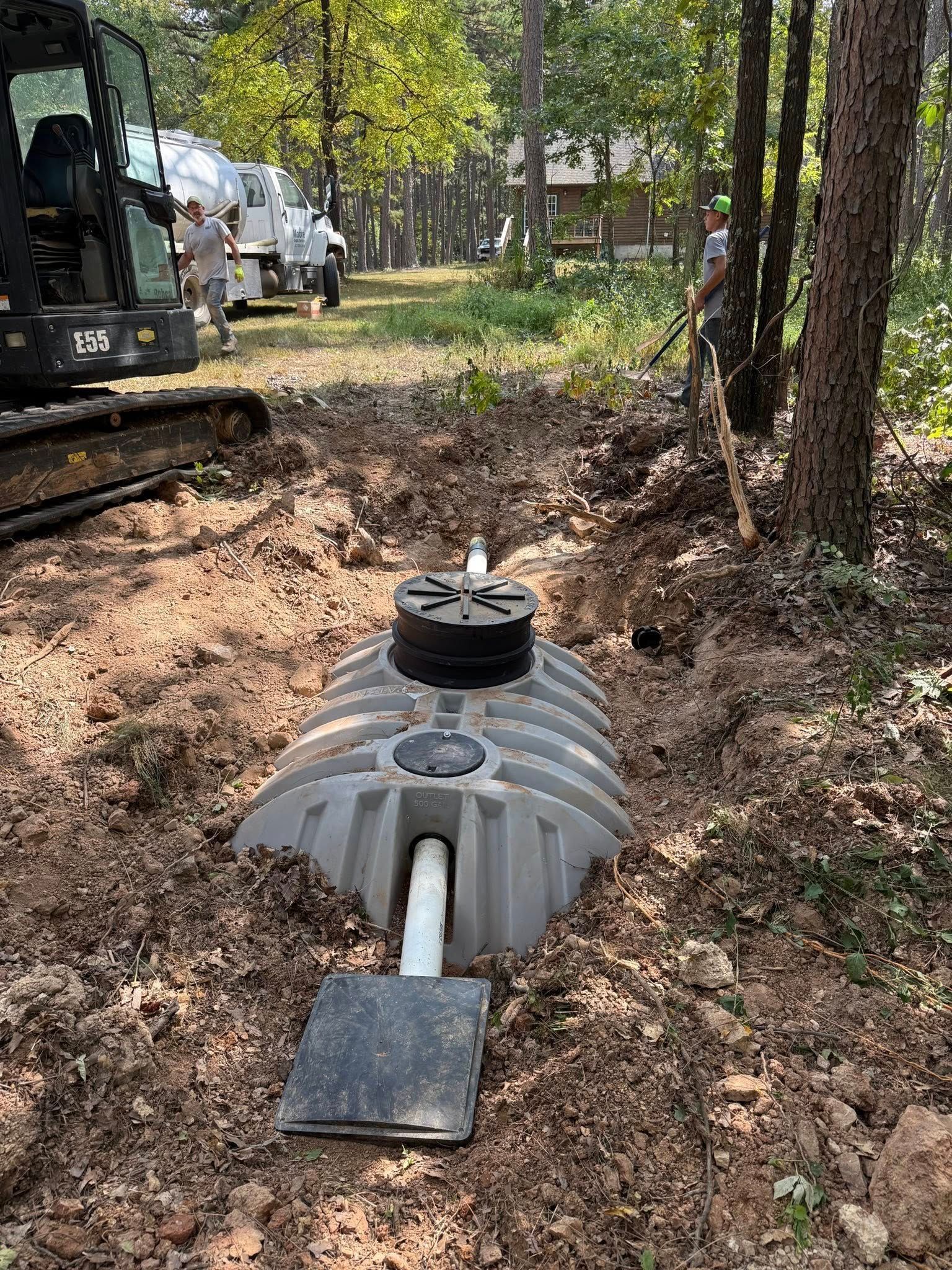
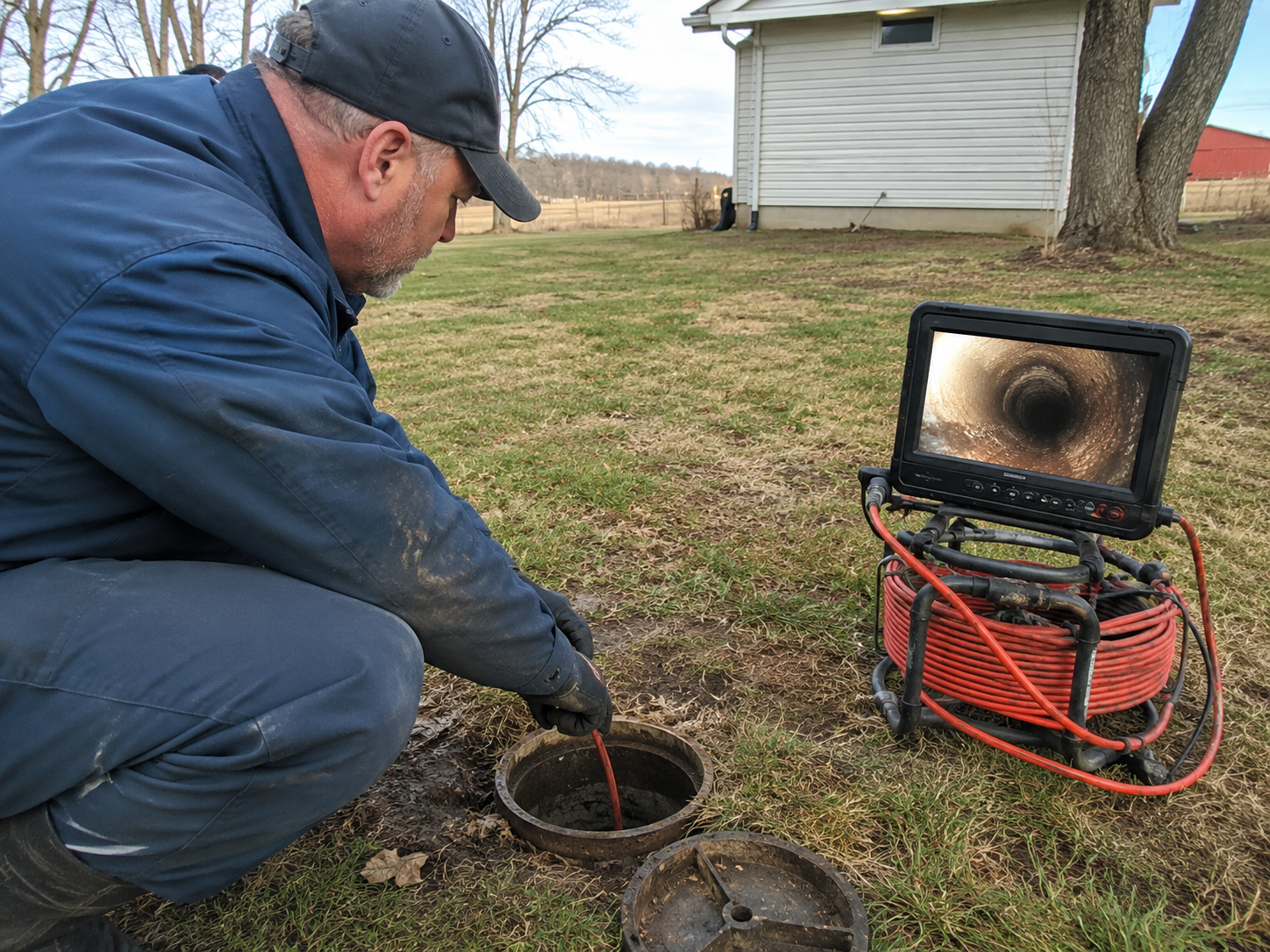
Tree roots grow toward water and nutrients. Septic systems provide both. When roots find a weak point in a pipe joint or a small crack, they can enter the line and expand. Over time, this can lead to blockages, broken lines, and drain field failure.
- Cracked or shifted septic lines
- Blockages that cause backups inside the home
- Drain field pipes clogged or crushed by root growth
- Distribution box issues from root intrusion
Signs Tree Roots May Be Affecting Your Septic System
Root intrusion often looks like “normal septic trouble” at first. If symptoms keep returning, roots may be the cause.
- Slow drains throughout the house
- Recurring backups or clogs
- Gurgling sounds in plumbing
- Sewage odors outdoors
- Wet or spongy spots near the drain field
- Needing pumping more often than expected
Why Septic Pumping Alone Doesn’t Stop Root Damage
Pumping is essential maintenance, but it does not remove roots from septic lines or prevent regrowth. If roots are entering the system, pumping can temporarily reduce symptoms while the underlying problem continues.
If issues return shortly after service, that pattern often points to root intrusion or line damage that needs to be addressed.
When Tree Removal Is Necessary to Protect Your Septic System
Tree removal becomes a smart preventative step when a tree is too close to the tank, drain field, or septic lines and roots repeatedly cause problems. It is also recommended when a large tree poses a fall risk over buried septic components.
- Roots repeatedly invade septic lines
- A tree is planted too close to the drain field
- Root cutting hasn’t prevented regrowth
- A leaning or storm-damaged tree threatens buried components
Why Septic-Safe Tree Removal Matters in Missouri
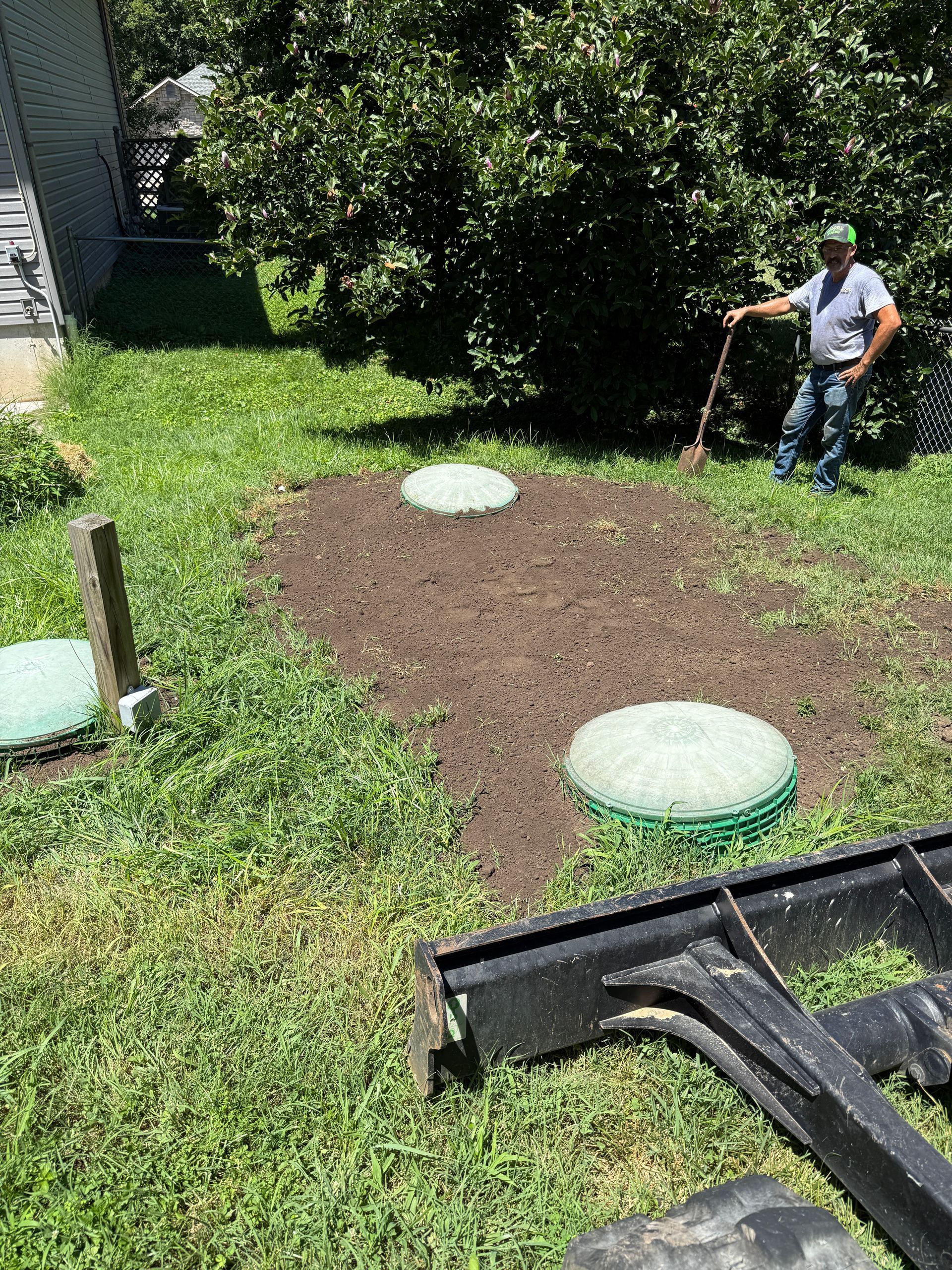
Removing trees near septic systems requires care. Heavy equipment can crush lids, damage lines, or compact drain field soil. Septic-aware planning helps protect underground infrastructure while solving the root cause.
Moore Septic Services now offers septic-safe tree removal to help homeowners in Southwest Missouri protect their systems and avoid preventable failures.